A Detailed Guide to Security Cameras and Smart Monitoring Technology
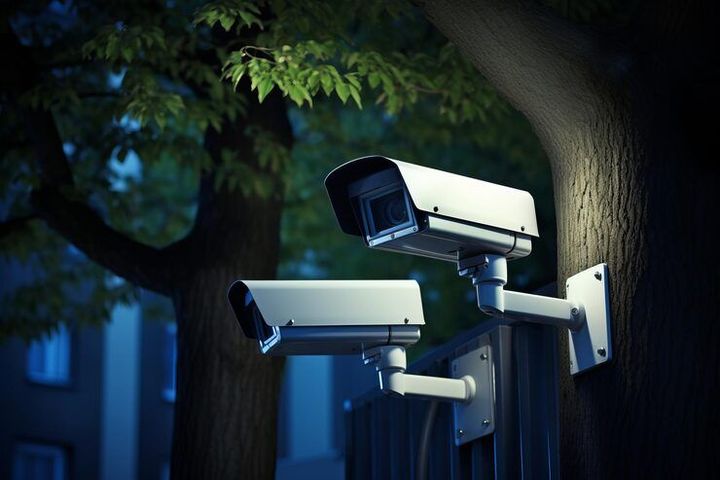
Security cameras and smart monitoring technology have become important components of modern safety and surveillance systems. These technologies are designed to observe, record, and analyze activities within a specific area to improve awareness and security.
Traditional security cameras primarily captured video footage for later review. Modern smart monitoring systems, however, integrate advanced technologies such as artificial intelligence (AI), cloud computing, wireless connectivity, and data analytics. These features allow users to receive alerts, monitor locations remotely, and analyze recorded events more efficiently.
Security cameras are commonly installed in residential properties, office buildings, educational institutions, healthcare facilities, transportation hubs, and public spaces. Their purpose is not only to document events but also to support safety management, operational oversight, and incident investigation.
The development of smart monitoring technology has been driven by increasing concerns about property protection, public safety, and the need for real-time information. As internet-connected devices become more common, surveillance systems continue evolving into intelligent monitoring platforms capable of supporting a wide range of applications.
Why Security Cameras and Smart Monitoring Technology Matter
The importance of security cameras extends beyond simple video recording. These systems contribute to safety, accountability, and informed decision-making across many sectors.
Some key benefits include:
- Enhanced situational awareness
- Continuous monitoring of critical areas
- Improved incident documentation
- Support for investigations
- Increased operational visibility
- Better management of large facilities
The technology affects a wide range of individuals and organizations, including:
| User Group | Common Applications |
|---|---|
| Homeowners | Property monitoring and visitor awareness |
| Businesses | Workplace security and asset protection |
| Schools | Campus safety and access monitoring |
| Healthcare Facilities | Patient area monitoring and operational oversight |
| Transportation Authorities | Traffic and public space observation |
| Government Agencies | Infrastructure and public safety monitoring |
One major challenge addressed by smart monitoring systems is the difficulty of manually observing large environments. AI-powered analytics can help identify unusual activities, detect movement, recognize objects, and generate notifications when predefined conditions are met.
Another important function is supporting evidence collection. Recorded footage can provide valuable information when reviewing incidents, safety concerns, or operational events.
As urban populations grow and digital infrastructure expands, monitoring technologies continue to play a role in maintaining awareness and supporting risk management strategies.
Recent Developments and Industry Trends
The security camera industry has experienced significant technological progress during the past year.
AI-Powered Video Analytics
Throughout 2025 and early 2026, artificial intelligence became increasingly integrated into surveillance systems. Modern platforms can distinguish between people, vehicles, animals, and other objects, reducing unnecessary alerts and improving monitoring efficiency.
Common AI capabilities include:
- Motion classification
- Behavioral analysis
- Object detection
- Crowd monitoring
- License plate recognition
- Intelligent event filtering
Growth of Cloud Video Security
Cloud-based video management solutions continued expanding during 2025. Organizations increasingly adopted cloud storage and remote access capabilities to manage surveillance footage from multiple locations.
Advantages often include:
- Centralized video management
- Secure data backups
- Remote accessibility
- Simplified software updates
Edge Computing Integration
In 2025, many manufacturers enhanced edge computing capabilities within cameras themselves. Rather than sending all video data to external servers, cameras can process certain information locally.
This trend helps reduce bandwidth usage and improve response times.
Cybersecurity Enhancements
As connected surveillance devices become more widespread, cybersecurity has received greater attention. Industry updates during 2025 focused on:
- Multi-factor authentication
- Encrypted video transmission
- Firmware security improvements
- Enhanced user access controls
Smart City Monitoring Initiatives
Several countries expanded smart city programs throughout 2025 and early 2026. These initiatives often incorporate intelligent video surveillance systems to support traffic management, infrastructure monitoring, and public safety planning.
Security Technology Evolution
| Technology Area | Earlier Systems | Modern Systems |
|---|---|---|
| Recording | Local storage only | Local and cloud storage |
| Monitoring | On-site viewing | Remote monitoring platforms |
| Alerts | Manual review | Real-time notifications |
| Analysis | Human observation | AI-assisted analytics |
| Connectivity | Wired networks | Wired and wireless networks |
| Data Access | Limited access | Multi-device accessibility |
Regulations, Privacy Rules, and Government Policies
Security camera deployment is often subject to legal and regulatory requirements. Rules vary between countries, regions, and industries.
Privacy Considerations
Many jurisdictions require organizations to balance security objectives with privacy rights. Individuals may have protections regarding how personal information and video recordings are collected, stored, and used.
Organizations commonly implement measures such as:
- Visible surveillance notices
- Data retention policies
- Restricted footage access
- Secure storage procedures
Data Protection Regulations
In many countries, video recordings containing identifiable individuals may be considered personal data. Data protection frameworks can influence:
- Storage duration
- Data sharing practices
- User consent requirements
- Security safeguards
Examples include privacy and data governance regulations adopted across various regions, including Europe, North America, and Asia-Pacific markets.
Industry-Specific Requirements
Certain sectors face additional compliance obligations.
Examples include:
- Healthcare facilities
- Financial institutions
- Educational organizations
- Transportation operators
- Critical infrastructure providers
These organizations may need to follow specialized security and recordkeeping standards.
Government Monitoring Programs
Some governments continue investing in public surveillance infrastructure to support transportation systems, public safety operations, and smart city development. Such programs often involve oversight mechanisms intended to address transparency and privacy concerns.
Before implementing surveillance systems, organizations should review applicable local laws and regulatory guidance to ensure compliance.
Helpful Tools and Resources
A variety of digital tools and resources support security camera management and monitoring activities.
Video Management Software
Video management software helps organize, review, and manage recorded footage.
Common capabilities include:
- Multi-camera viewing
- Search functions
- Event tagging
- User permissions
- Reporting dashboards
Cloud Monitoring Platforms
Cloud platforms allow authorized users to access camera feeds remotely through secure internet connections.
Typical features include:
- Mobile access
- Video archives
- Alert management
- Device administration
Mobile Monitoring Applications
Many modern surveillance systems include smartphone applications that provide:
- Live viewing
- Motion notifications
- Playback controls
- Device health monitoring
Network Planning Tools
Organizations often use network calculators and planning tools to estimate:
| Planning Factor | Purpose |
|---|---|
| Bandwidth Usage | Assess network requirements |
| Storage Capacity | Estimate recording retention |
| Camera Coverage | Determine viewing areas |
| Device Count | Plan system scalability |
Cybersecurity Resources
Useful cybersecurity resources may include:
- Password management tools
- Network security assessments
- Device update management systems
- Security configuration checklists
Training and Educational Materials
Many organizations provide educational resources covering:
- Surveillance best practices
- Privacy considerations
- Security awareness
- Technology implementation guidance
These materials can help users better understand both technical and regulatory aspects of monitoring systems.
Frequently Asked Questions
What is the difference between a security camera and a smart monitoring system?
A security camera primarily records video footage. A smart monitoring system combines cameras with technologies such as AI analytics, cloud storage, automated alerts, and remote access capabilities.
Can security cameras operate without an internet connection?
Yes. Many cameras can record footage locally using storage devices such as memory cards or network video recorders. Internet connectivity is generally required for remote access and cloud-based features.
How does AI improve video surveillance?
AI helps analyze video streams automatically. It can identify objects, detect unusual activities, classify motion events, and reduce unnecessary notifications generated by routine movements.
Are surveillance recordings considered personal data?
In many jurisdictions, recordings that identify individuals may be treated as personal data. Applicable privacy and data protection regulations determine how such information should be managed.
What factors should be considered when planning a monitoring system?
Important considerations include:
- Coverage requirements
- Lighting conditions
- Storage capacity
- Network infrastructure
- Cybersecurity protections
- Privacy obligations
- Regulatory compliance requirements
Conclusion
Security cameras and smart monitoring technology have evolved from simple recording devices into sophisticated digital surveillance ecosystems. Advances in artificial intelligence, cloud computing, edge processing, and cybersecurity continue shaping how monitoring systems operate in homes, businesses, and public environments.
These technologies help improve awareness, support investigations, and enhance operational visibility across many sectors. At the same time, growing attention to privacy protection and data governance highlights the importance of responsible implementation.
As monitoring technology continues advancing throughout 2026 and beyond, understanding both its capabilities and regulatory considerations remains essential for individuals and organizations seeking to navigate an increasingly connected world. The combination of intelligent analytics, secure data management, and thoughtful oversight is likely to remain a defining feature of modern video surveillance systems.