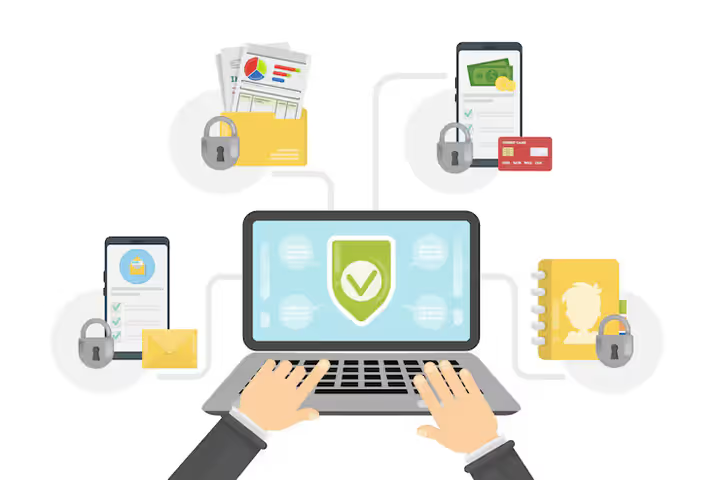
Antivirus Software Guide: Choosing the Right Protection for Your Devices
Antivirus software is a cybersecurity application designed to detect, prevent, and remove malicious programs that can harm computers, smartphones, tablets, and other connected devices. As internet usage has expanded across personal and professional environments, cyber threats have become increasingly sophisticated, creating a growing need for reliable digital protection.
In the early days of computing, viruses were relatively simple programs that spread through floppy disks and shared files. Today, threats include ransomware, spyware, phishing attacks, trojans, worms, botnets, and other forms of malware. Antivirus solutions were developed to identify these threats and help users maintain the security, privacy, and performance of their devices.
Modern endpoint security software goes beyond traditional virus scanning. Many solutions now include features such as real-time threat detection, cloud-based malware analysis, phishing protection, firewall integration, password security tools, and identity protection capabilities.
The primary goal of antivirus software is to reduce cybersecurity risks while helping users safely access digital services, online banking platforms, email systems, cloud storage, and business applications.
Why Antivirus Protection Matters Today
Cybersecurity has become a critical concern for individuals, businesses, educational institutions, and government organizations. The increasing number of connected devices and online accounts has expanded the potential attack surface for cybercriminals.
Without adequate malware protection, users may face challenges such as:
- Unauthorized access to personal information
- Financial fraud and identity theft
- Data loss from ransomware attacks
- Performance issues caused by malicious software
- Security vulnerabilities in connected devices
- Compromised online accounts and passwords
The impact of cyber threats affects multiple groups:
| User Group | Common Risks | Benefits of Antivirus Protection |
|---|---|---|
| Individuals | Phishing, malware, identity theft | Improved personal data security |
| Students | Unsafe downloads, malicious links | Safer online learning experience |
| Remote Workers | Network vulnerabilities | Better endpoint security |
| Small Businesses | Data breaches, ransomware | Reduced operational disruption |
| Organizations | Advanced cyberattacks | Enhanced threat management |
Global cybersecurity reports continue to show growth in phishing campaigns and ransomware incidents, making antivirus software an important part of a broader digital security strategy.
The chart below illustrates the typical cybersecurity protection layers used by modern users.
| Security Layer | Purpose |
| Antivirus Software | Detects and removes malware |
| Firewall | Monitors network traffic |
| Multi-Factor Authentication | Protects account access |
| Password Manager | Secures login credentials |
| Software Updates | Fixes security vulnerabilities |
| Data Backup | Supports recovery after incidents |
Recent Antivirus and Cybersecurity Updates
The cybersecurity landscape continues to evolve rapidly. Several notable developments have emerged during 2025 and early 2026.
Artificial Intelligence in Threat Detection
Many cybersecurity providers expanded their use of artificial intelligence and machine learning throughout 2025. AI-powered systems can analyze suspicious behavior patterns and identify previously unknown malware variants more quickly than traditional signature-based methods.
Growth of Ransomware Protection Features
Ransomware remains one of the most significant cybersecurity concerns. Throughout 2025, many security platforms introduced enhanced ransomware monitoring systems designed to detect unusual file encryption activity and block potential attacks before they spread.
Increased Focus on Mobile Security
As mobile banking, digital payments, and remote work continue to grow, antivirus developers have expanded protection for Android and iOS devices. Mobile threat detection and app security monitoring have become more common features.
Cloud-Based Security Expansion
Cloud antivirus technology continued gaining adoption in 2025. Cloud-based analysis enables faster threat intelligence sharing and more efficient malware detection across global networks.
Zero-Trust Security Adoption
Organizations increasingly adopted zero-trust cybersecurity frameworks during 2025 and 2026. This approach assumes that no user or device should be automatically trusted, strengthening overall security practices.
Growing Attention to Data Privacy
Recent discussions around privacy regulations and consumer data protection have encouraged software providers to improve transparency regarding data collection and cybersecurity practices.
Laws, Regulations, and Government Policies
Antivirus software operates within broader cybersecurity and data protection frameworks established by governments and regulatory authorities.
Data Protection Regulations
Many countries have implemented privacy and data protection laws that influence how cybersecurity software handles user information. Examples include:
- The General Data Protection Regulation (GDPR) in Europe
- The California Consumer Privacy Act (CCPA) in the United States
- Various national data protection frameworks across Asia-Pacific regions
These regulations generally require organizations to protect sensitive information and maintain appropriate cybersecurity measures.
Cybersecurity Compliance Requirements
Businesses operating in regulated industries may need to follow specific cybersecurity standards, including:
- Financial sector security guidelines
- Healthcare information protection requirements
- Government cybersecurity frameworks
- Critical infrastructure security regulations
Government Cybersecurity Initiatives
Many governments have expanded cybersecurity awareness programs to encourage safer online behavior among citizens and organizations. These initiatives often promote:
- Strong password practices
- Secure software updates
- Multi-factor authentication
- Malware prevention awareness
- Data backup strategies
Consumer Protection Policies
Consumer protection agencies increasingly emphasize transparency regarding digital security products and privacy practices. Software providers are generally expected to clearly communicate security capabilities, privacy policies, and data handling procedures.
Helpful Tools and Resources for Device Security
A strong cybersecurity strategy often combines antivirus software with additional security resources.
Security Assessment Tools
- Operating system security checkers
- Vulnerability scanning applications
- Browser security assessment tools
- Network monitoring utilities
Password Security Resources
- Password managers
- Password strength analyzers
- Multi-factor authentication applications
Cybersecurity Education Platforms
- Government cybersecurity awareness websites
- Security training portals
- Online phishing awareness resources
- Digital safety education programs
Data Protection Tools
- Backup management software
- File encryption applications
- Secure cloud storage platforms
- Recovery planning templates
Useful Cybersecurity Websites
Users can learn more about cybersecurity through resources provided by:
- National cybersecurity agencies
- Consumer protection authorities
- Technology security organizations
- Educational cybersecurity centers
Key Features to Consider When Evaluating Antivirus Software
Different users may have different security needs. Understanding common features can help users make informed decisions.
| Feature | Purpose |
| Real-Time Protection | Monitors threats continuously |
| Malware Detection | Identifies harmful software |
| Ransomware Protection | Helps prevent file encryption attacks |
| Phishing Protection | Blocks fraudulent websites and emails |
| Firewall Integration | Enhances network security |
| Cloud-Based Analysis | Improves threat intelligence |
| Mobile Security | Protects smartphones and tablets |
| Automatic Updates | Maintains current threat protection |
When comparing antivirus solutions, users often evaluate compatibility, performance impact, update frequency, privacy practices, and security features.
Frequently Asked Questions
What is the difference between antivirus and cybersecurity software?
Antivirus software primarily focuses on detecting and removing malware. Cybersecurity software may include broader protections such as firewalls, identity monitoring, password management, network security, and threat intelligence services.
Can antivirus software prevent all cyber threats?
No. Antivirus software reduces risk but cannot guarantee complete protection. Safe browsing habits, software updates, strong passwords, and multi-factor authentication remain important security practices.
Do smartphones need antivirus protection?
Mobile devices can also face security risks such as malicious apps, phishing attempts, and data theft. Security applications designed for mobile platforms may help improve device protection.
How often should antivirus software be updated?
Security updates should occur regularly. Most modern antivirus platforms provide automatic updates to maintain protection against newly discovered threats.
Does antivirus software affect device performance?
Modern solutions are generally designed to minimize performance impact. However, performance may vary depending on device specifications, software configuration, and background scanning activity.
Conclusion
Antivirus software plays an important role in modern digital security by helping detect, block, and remove malicious threats that target computers, smartphones, and other connected devices. As cyber risks continue to evolve, cybersecurity protection has become relevant for individuals, students, remote workers, businesses, and organizations alike.
Recent developments such as artificial intelligence-based threat detection, cloud security technologies, ransomware protection enhancements, and mobile security improvements demonstrate how the industry continues to adapt to changing cyber threats. At the same time, privacy regulations and cybersecurity policies are shaping how security providers protect user information and maintain transparency.
While antivirus software is a valuable security tool, it works best as part of a comprehensive cybersecurity strategy that includes regular software updates, strong passwords, multi-factor authentication, secure backups, and ongoing cybersecurity awareness. By understanding available features and current security trends, users can make informed decisions about protecting their devices and digital information.