Exploring Electronic Manufacturing and Today’s Smart Production Methods
Electronic manufacturing is the process of designing, assembling, testing, and producing electronic devices and components used in everyday life. From smartphones and computers to electric vehicles and industrial equipment, electronics manufacturing supports many industries across the world.
Modern production systems have evolved significantly over the last decade. Traditional factory operations are increasingly being replaced by smart production methods that use automation, artificial intelligence, industrial robotics, and data analytics. These changes help manufacturers improve production accuracy, reduce delays, and manage resources more efficiently.
Today, electronic manufacturing is closely connected with technologies such as semiconductor production, IoT devices, industrial automation systems, cloud computing, and digital supply chain management. As consumer demand for advanced electronics continues to grow, manufacturers are focusing on flexible and technology-driven production systems.
Understanding Electronic Manufacturing
Electronic manufacturing includes multiple stages that work together to create electronic products. The process often begins with research, product design, and component sourcing. It then moves into assembly, quality testing, packaging, and distribution.
Some common products created through electronic manufacturing include:
- Printed circuit boards (PCBs)
- Consumer electronics
- Industrial control systems
- Medical electronic devices
- Automotive electronic systems
- Semiconductor components
- Smart home devices
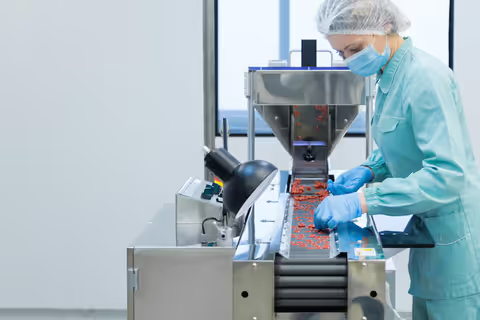
Modern factories often use automated production lines to handle repetitive tasks with higher precision. Robotics, machine vision systems, and machine learning tools now play a major role in maintaining production quality.
Common Stages in Electronics Production
| Production Stage | Main Purpose |
|---|---|
| Design and Prototyping | Creating product models and testing concepts |
| Component Sourcing | Obtaining electronic parts and materials |
| PCB Assembly | Mounting components on circuit boards |
| Testing and Inspection | Checking product functionality and quality |
| Packaging and Distribution | Preparing products for transportation |
Why Electronic Manufacturing Matters Today
Electronic manufacturing affects nearly every sector of the global economy. Industries such as healthcare, transportation, communication, education, banking, and entertainment rely heavily on electronic systems.
The importance of this sector has increased because digital transformation continues to expand worldwide. Businesses now depend on cloud infrastructure, connected devices, and intelligent systems to improve operations and communication.
Several major factors explain why this field matters today:
Growth of Smart Devices
Smartphones, wearable devices, smart appliances, and IoT products continue to expand globally. Manufacturers need advanced production systems to meet increasing demand while maintaining product quality.
Expansion of Electric Vehicles
Electric vehicles require complex electronic systems, including battery management modules, sensors, semiconductors, and charging infrastructure. This has increased demand for semiconductor manufacturing and electronic assembly technologies.
Industrial Automation
Factories are adopting automation technologies to improve efficiency and reduce manual errors. Smart manufacturing systems help monitor production performance in real time.
Supply Chain Optimization
Electronic manufacturing supports global supply chains by improving inventory tracking, predictive maintenance, and logistics planning.
Data-Driven Production
Manufacturers increasingly rely on industrial data analytics to monitor equipment performance and production efficiency. Predictive analytics tools help identify potential issues before failures occur.
Problems Smart Production Methods Help Solve
| Challenge | Smart Production Solution |
|---|---|
| Production delays | Automated workflow systems |
| Human error | Robotics and AI inspection systems |
| Equipment downtime | Predictive maintenance software |
| Inventory management issues | Digital supply chain tracking |
| Quality inconsistencies | Machine vision and automated testing |
Recent Updates and Industry Trends
The electronic manufacturing industry has experienced major developments during 2025 and early 2026. Many companies and governments are increasing investments in semiconductor infrastructure, smart factories, and automation technologies.
Semiconductor Industry Expansion
In 2025, several countries announced plans to strengthen domestic semiconductor manufacturing capabilities. Governments in Asia, Europe, and North America introduced semiconductor support programs to reduce supply chain dependence and improve production stability.
This trend became more important after global semiconductor shortages affected automotive, consumer electronics, and industrial sectors over recent years.
Rise of AI in Manufacturing
Artificial intelligence tools are now widely used in production environments. AI-powered quality inspection systems can identify defects faster than traditional manual inspections.
Machine learning algorithms are also helping manufacturers predict maintenance needs and optimize factory energy consumption.
Smart Factory Adoption
According to industry reports published in late 2025, smart factory investments increased due to rising interest in Industry 4.0 technologies. Many production facilities adopted cloud-connected manufacturing systems and industrial IoT sensors.
Sustainable Electronics Production
Environmental concerns have encouraged manufacturers to reduce electronic waste and improve recycling practices. Companies are increasingly focusing on energy-efficient manufacturing and sustainable material sourcing.
Growth of Edge Computing Devices
The expansion of edge computing technologies has created demand for smaller, faster, and more energy-efficient electronic components. This trend continues to influence semiconductor design and production methods.
Manufacturing Technology Trends Overview
| Trend | Industry Impact |
|---|---|
| Artificial Intelligence | Faster inspection and automation |
| Industrial IoT | Real-time factory monitoring |
| Edge Computing | Efficient device processing |
| Sustainable Manufacturing | Reduced environmental impact |
| Advanced Robotics | Improved production precision |
Laws, Regulations, and Government Policies
Electronic manufacturing is influenced by multiple laws and government programs across different countries. Regulations often focus on product safety, environmental standards, cybersecurity, trade compliance, and semiconductor development.
Environmental Regulations
Many countries enforce electronic waste management rules to reduce pollution caused by discarded electronics. Manufacturers may need to follow recycling and disposal guidelines for batteries, semiconductors, and electronic components.
For example, several regions require manufacturers to limit hazardous substances in electronic products.
Semiconductor Development Programs
Governments worldwide introduced semiconductor support initiatives during 2025 and 2026 to strengthen domestic chip production and technology independence.
These programs often encourage:
- Semiconductor research and development
- Local manufacturing infrastructure
- Advanced electronics education
- Supply chain resilience
- Technology innovation partnerships
Cybersecurity Standards
As connected devices become more common, cybersecurity regulations are becoming increasingly important. Manufacturers of smart devices and industrial equipment may need to follow data protection and device security guidelines.
Workplace Safety Rules
Electronic manufacturing facilities must also comply with workplace safety standards related to machinery operation, chemical handling, and employee protection.
Trade and Import Policies
Global electronics production depends heavily on international trade. Import tariffs, export restrictions, and supply chain regulations can influence production planning and component availability.
Examples of Regulatory Areas
| Regulatory Area | Purpose |
|---|---|
| Environmental Compliance | Reduce electronic waste |
| Product Safety Standards | Improve consumer protection |
| Cybersecurity Rules | Protect connected devices |
| Semiconductor Policies | Support domestic chip production |
| Trade Regulations | Manage international supply chains |
Tools and Resources Related to Electronic Manufacturing
Many digital tools and platforms support modern electronic manufacturing processes. These resources help with design, testing, automation, analytics, and production management.
PCB Design Software
PCB design tools allow engineers to create and test circuit board layouts digitally before production begins.
Common uses include:
- Circuit simulation
- Component placement
- Electrical analysis
- Design verification
Manufacturing Execution Systems (MES)
MES platforms help manufacturers monitor production activities in real time. These systems improve production visibility and operational control.
Industrial Automation Platforms
Automation software supports robotic systems, conveyor systems, and production line monitoring.
Supply Chain Management Tools
Digital supply chain platforms help manufacturers track materials, shipping schedules, and inventory performance.
Data Analytics Dashboards
Manufacturers use industrial analytics software to evaluate production efficiency, machine performance, and quality metrics.
Helpful Resources and Technologies
| Tool or Resource | Main Function |
|---|---|
| PCB Design Software | Electronic circuit development |
| MES Platforms | Factory production monitoring |
| Industrial IoT Sensors | Equipment data collection |
| AI Quality Inspection Tools | Automated defect detection |
| Cloud Manufacturing Systems | Remote production management |
Educational Learning Resources
People interested in electronic manufacturing often explore educational materials related to:
- Semiconductor technology
- Embedded systems
- Industrial automation
- Robotics engineering
- Smart manufacturing systems
- Electronic circuit fundamentals
- Artificial intelligence in manufacturing
Online learning platforms, technical documentation, and industry research reports can help learners stay informed about current developments.
Frequently Asked Questions
What is electronic manufacturing?
Electronic manufacturing is the process of producing electronic devices and components through design, assembly, testing, and quality control procedures.
What are smart production methods?
Smart production methods use technologies such as automation, artificial intelligence, robotics, cloud computing, and IoT sensors to improve manufacturing efficiency and accuracy.
Why are semiconductors important in manufacturing?
Semiconductors are essential components used in computers, smartphones, vehicles, industrial machines, and communication systems. They help electronic devices process and manage information.
What is Industry 4.0 in manufacturing?
Industry 4.0 refers to the use of advanced digital technologies in manufacturing, including connected machines, automation systems, industrial IoT, and real-time data analysis.
How does automation improve electronics production?
Automation improves production speed, reduces manual errors, increases consistency, and supports predictive maintenance in manufacturing environments.
Are environmental regulations important in electronics manufacturing?
Yes. Environmental regulations help reduce electronic waste, improve recycling practices, and encourage sustainable manufacturing processes.
Conclusion
Electronic manufacturing continues to play a major role in modern economies and digital infrastructure. As industries adopt smart production methods, manufacturing systems are becoming more connected, data-driven, and automated.
Technologies such as artificial intelligence, industrial IoT, semiconductor innovation, and robotics are transforming how electronic products are designed and produced. At the same time, environmental regulations and cybersecurity standards are shaping the future of manufacturing operations.
Understanding electronic manufacturing and smart production systems can help individuals, businesses, and industries stay informed about the technologies that support modern life. As digital transformation continues, this sector will likely remain central to global innovation and industrial development.