Hammer Drill Machine: Essential Information for DIY and Professional Projects
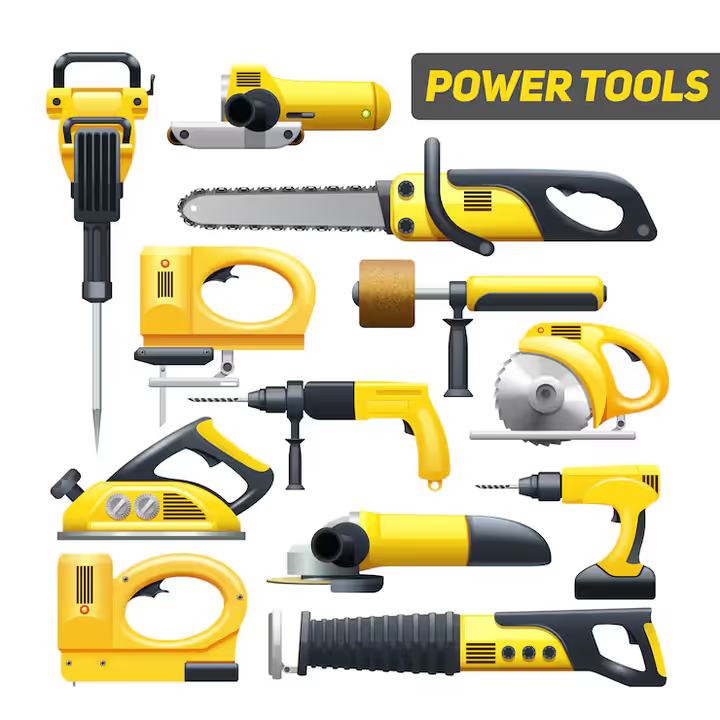
A hammer drill machine is one of the most widely used power tools in construction, renovation, maintenance, and home improvement projects. Unlike a standard drill, a hammer drill combines rotary drilling with a rapid hammering action, allowing it to work efficiently on hard materials such as concrete, brick, masonry, and stone.
Whether used for installing wall fixtures, creating anchor holes, or completing renovation work, a hammer drill machine plays an important role in improving drilling efficiency and accuracy. Understanding how this equipment works, where it is commonly used, and the safety practices involved helps users make informed decisions before starting a project.
Modern hammer drill machines have evolved with improved motor technology, cordless battery systems, enhanced safety features, and ergonomic designs that support both occasional users and experienced professionals.
Understanding a Hammer Drill Machine
A hammer drill machine is a power tool designed to drill into tough construction materials. While the drill bit rotates, an internal mechanism generates rapid forward-and-backward impacts that help break apart hard surfaces during drilling.
The hammering action reduces the effort required to drill through dense materials while increasing drilling speed compared to a conventional drill.
Common materials include:
- Concrete
- Brick
- Cement blocks
- Stone
- Masonry
- Tile (with appropriate drill bits)
Main Components
| Component | Purpose |
|---|---|
| Electric Motor | Powers the drilling mechanism |
| Chuck | Holds the drill bit securely |
| Hammer Mechanism | Produces impact force while drilling |
| Trigger Switch | Controls drilling speed |
| Forward/Reverse Switch | Changes drilling direction |
| Side Handle | Improves stability and control |
| Depth Stop | Helps maintain consistent drilling depth |
Common Types of Hammer Drill Machines
| Type | Typical Application |
|---|---|
| Corded Hammer Drill | Continuous heavy-duty drilling |
| Cordless Hammer Drill | Portable indoor and outdoor projects |
| Rotary Hammer | Large masonry and concrete work |
| Combination Hammer Drill | Multiple drilling modes for different materials |
Why Hammer Drill Machines Matter Today
Construction and renovation activities continue to increase worldwide due to infrastructure development, residential improvements, and commercial projects. As a result, reliable drilling equipment has become increasingly important.
A hammer drill machine improves productivity by allowing users to complete difficult drilling tasks more efficiently while maintaining precision.
Industries That Commonly Use Hammer Drill Machines
- Construction
- Civil engineering
- Electrical installation
- Plumbing
- HVAC installation
- Interior renovation
- Facility maintenance
- Manufacturing
- Infrastructure maintenance
Problems It Helps Solve
Traditional drills often struggle with dense building materials. Hammer drill machines address several common challenges:
- Faster drilling through concrete
- Reduced operator effort
- Improved drilling accuracy
- Cleaner installation holes
- Better anchor installation
- Increased project efficiency
- Reduced drilling time
Who Benefits from Using Hammer Drill Machines?
The tool supports a wide variety of users, including:
- DIY enthusiasts
- Homeowners completing renovations
- Maintenance personnel
- Electricians
- Plumbers
- Contractors
- Construction professionals
- Facility managers
Key Advantages
- Efficient drilling in hard surfaces
- Multiple operating modes on many models
- Suitable for various construction materials
- Improved drilling performance
- Better control with adjustable speed settings
- Compatible with numerous drill bit types
Safety Considerations
Safe operation is essential when working with any power tool.
Recommended safety practices include:
- Wear eye protection.
- Use hearing protection during prolonged operation.
- Wear suitable work gloves.
- Check the drill bit before use.
- Secure the workpiece whenever possible.
- Avoid excessive drilling pressure.
- Inspect power cords or batteries before operation.
- Follow the manufacturer's operating instructions.
Recent Trends and Industry Updates
Hammer drill technology continues to evolve as manufacturers introduce features focused on efficiency, safety, and sustainability.
Several developments observed during 2025–2026 include:
- Increased adoption of high-capacity lithium-ion battery platforms for cordless hammer drills.
- Brushless motor technology becoming more common across professional-grade equipment, improving energy efficiency and reducing maintenance requirements.
- Improved vibration reduction systems designed to enhance operator comfort during extended use.
- Smart battery management systems providing better temperature control and battery monitoring.
- Greater use of recyclable materials in tool housing as manufacturers pursue sustainability goals.
- Expansion of dust extraction compatibility to support cleaner and safer work environments, particularly in indoor construction projects.
Many construction equipment manufacturers have also expanded digital tool management systems that help organizations monitor equipment usage, maintenance schedules, and inventory across multiple project sites.
Emerging Technology Comparison
| Technology | Benefit |
|---|---|
| Brushless Motor | Improved efficiency |
| Lithium-Ion Batteries | Longer runtime |
| Anti-Vibration Design | Better user comfort |
| Smart Electronics | Improved performance monitoring |
| Dust Collection Compatibility | Cleaner work areas |
Laws, Standards, and Workplace Policies
Power tool use is influenced by workplace safety regulations and equipment standards in many countries.
Although requirements vary by region, organizations generally follow occupational safety guidelines covering:
- Safe operation of electrical equipment
- Personal protective equipment (PPE)
- Noise exposure management
- Dust control
- Electrical safety
- Equipment inspection
- Workplace training
International Standards
Common international standards that may apply include:
| Standard | Purpose |
|---|---|
| IEC Standards | Electrical equipment safety |
| ISO Safety Standards | Workplace safety management |
| EN Standards (Europe) | Machinery and tool safety requirements |
Government Workplace Programs
Many governments promote workplace safety through:
- Occupational safety awareness campaigns
- Construction safety guidelines
- Electrical safety regulations
- Dust exposure management programs
- Training recommendations for power tool operators
Users should always review the latest regulations issued by their country's occupational safety authority before operating construction equipment in commercial environments.
Environmental Considerations
Modern construction projects increasingly focus on reducing environmental impact.
Current practices include:
- Battery recycling programs
- Reduced energy consumption through efficient motors
- Dust reduction systems
- Longer equipment lifespan
- Responsible disposal of worn components
Helpful Tools and Resources
Several digital resources can assist users in planning projects and operating hammer drill machines safely.
| Resource | Purpose |
|---|---|
| Drill Bit Size Charts | Select appropriate drill sizes |
| Masonry Anchor Guides | Match anchors with hole diameter |
| Battery Runtime Calculators | Estimate operating duration |
| Torque Reference Charts | Improve fastening accuracy |
| PPE Checklists | Enhance workplace safety |
| Maintenance Logs | Track equipment inspections |
| Construction Measurement Apps | Improve drilling accuracy |
| Material Hardness Reference Tables | Identify suitable drilling methods |
Useful Reference Materials
Helpful resources often include:
- Product user manuals
- Construction safety handbooks
- Occupational safety authority guidance
- Building code references
- Drill bit compatibility charts
- Concrete anchor reference guides
- Maintenance inspection templates
Maintenance Best Practices
Routine maintenance helps maintain performance and reliability.
Recommended practices include:
- Clean dust after every use.
- Inspect drill bits regularly.
- Store equipment in a dry location.
- Check ventilation openings.
- Examine batteries or power cords.
- Lubricate moving components if recommended by the manufacturer.
- Replace worn accessories when necessary.
Choosing the Right Drill Bit
Different materials require different drill bits.
| Material | Recommended Bit Type |
|---|---|
| Concrete | Carbide-tipped masonry bit |
| Brick | Masonry drill bit |
| Stone | Heavy-duty masonry bit |
| Wood | Twist drill bit |
| Metal | High-speed steel bit |
Using the correct drill bit improves drilling quality and reduces unnecessary wear on both the tool and accessories.
Frequently Asked Questions
What is the difference between a hammer drill and a regular drill?
A regular drill primarily rotates the drill bit, making it suitable for wood, plastic, and metal. A hammer drill adds a rapid impact motion that improves drilling performance in concrete, brick, and masonry.
Can a hammer drill machine be used on wood or metal?
Yes. Many hammer drill machines include a standard drilling mode that disables the hammer action, allowing drilling in wood and metal when appropriate drill bits are used.
What safety equipment should be worn while using a hammer drill?
Users should wear safety glasses, hearing protection, appropriate gloves, and suitable footwear. Dust protection may also be recommended when drilling masonry materials.
How often should a hammer drill machine be maintained?
Basic cleaning should be performed after each use. Periodic inspections, accessory checks, and manufacturer-recommended maintenance intervals help maintain reliable operation.
Are cordless hammer drill machines suitable for heavy-duty work?
Modern cordless hammer drills equipped with high-capacity lithium-ion batteries and brushless motors can perform many demanding drilling tasks. However, continuous industrial applications may still benefit from corded or rotary hammer models depending on workload.
Conclusion
Hammer drill machines have become essential tools across construction, renovation, maintenance, and home improvement projects because they provide efficient drilling in hard materials while improving precision and reducing physical effort. Advances in battery technology, brushless motors, vibration control, and dust management continue to enhance their performance and usability.
Understanding how a hammer drill works, following proper safety practices, using the correct drill bits, and staying informed about workplace standards can help users complete drilling tasks more effectively. As construction technology continues to evolve, hammer drill machines remain a valuable part of modern building and maintenance activities.