Pharma Raw Material: A Complete Guide to Types, Uses, and Quality Standards
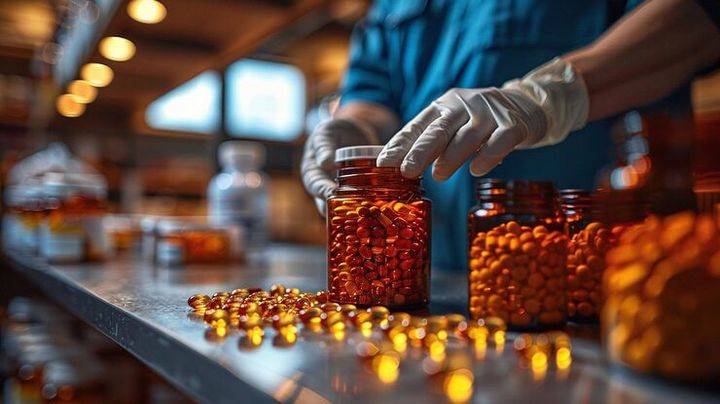
Pharma raw material forms the foundation of every pharmaceutical product. Before a medicine reaches patients, it begins with carefully selected ingredients that meet strict quality and safety requirements. These materials play an important role in ensuring that medicines perform as intended and remain safe throughout their shelf life.
The pharmaceutical industry relies on a wide range of raw materials, including active ingredients, inactive ingredients, solvents, chemicals, and packaging-related substances. Every stage of pharmaceutical manufacturing depends on maintaining consistent quality, purity, and regulatory compliance.
As healthcare systems continue to expand worldwide, pharmaceutical manufacturing has become more advanced. Improved quality control, better sourcing practices, and stronger regulatory oversight have made pharma raw material management an essential part of modern medicine production.
What Is Pharma Raw Material?
Pharma raw material refers to the substances used during the manufacturing of pharmaceutical products. These materials may become part of the final medicine or assist during production.
Generally, pharmaceutical raw materials fall into two major categories:
| Category | Purpose | Examples |
|---|---|---|
| Active Pharmaceutical Ingredients (API) | Produce the therapeutic effect | Antibiotics, pain relief compounds, antiviral compounds |
| Pharmaceutical Excipients | Support formulation, stability, and delivery | Lactose, starch, cellulose, magnesium stearate |
Other supporting materials include:
- Solvents
- Reagents
- Preservatives
- Coating materials
- Buffers
- Stabilizers
- Flavoring agents
- Coloring agents
Each material undergoes extensive quality testing before being approved for pharmaceutical manufacturing.
Why Pharma Raw Material Matters Today
The importance of pharmaceutical raw material extends beyond manufacturing. It directly influences medicine quality, patient safety, and production efficiency.
Several factors have increased its importance in recent years.
Supports Medicine Quality
High-quality pharmaceutical ingredients help ensure medicines maintain consistent strength, purity, and effectiveness.
Protects Patient Safety
Strict testing reduces contamination risks and helps manufacturers meet international safety standards.
Strengthens Global Supply Chains
Many pharmaceutical companies obtain raw materials from multiple countries. Reliable sourcing helps reduce manufacturing disruptions.
Encourages Regulatory Compliance
Governments require manufacturers to follow strict manufacturing practices throughout the production process.
Advances Pharmaceutical Innovation
Modern research depends on high-purity raw materials for developing new therapies and improving existing formulations.
Common Types of Pharma Raw Material
Different pharmaceutical products require different categories of raw materials.
Active Pharmaceutical Ingredients (APIs)
APIs are the primary components responsible for the intended therapeutic effect of medicines.
Examples include:
- Antibiotic compounds
- Anti-inflammatory compounds
- Antiviral ingredients
- Antihypertensive ingredients
- Antidiabetic compounds
Pharmaceutical Excipients
Excipients improve the performance and stability of medicines without producing the primary therapeutic effect.
Common excipients include:
- Microcrystalline cellulose
- Lactose
- Starch
- Talc
- Magnesium stearate
- Gelatin
Solvents
Solvents assist in extraction, purification, and formulation processes.
Examples include:
- Purified water
- Ethanol
- Isopropyl alcohol
- Acetone
Processing Chemicals
These chemicals support manufacturing and purification during production.
Examples include:
- Acids
- Bases
- Catalysts
- Buffer solutions
Packaging Materials
Packaging also contributes to product quality by protecting medicines from environmental conditions.
Examples include:
- Glass containers
- Blister materials
- Plastic bottles
- Aluminum foil
- Rubber closures
Quality Standards for Pharma Raw Material
Quality standards help ensure pharmaceutical materials remain safe and suitable for manufacturing.
Identity Testing
Verifies that the supplied material matches its intended chemical identity.
Purity Testing
Measures impurities and contamination levels using laboratory analysis.
Microbiological Testing
Checks for bacteria, fungi, and other microorganisms.
Stability Evaluation
Determines whether the material maintains quality under different storage conditions.
Moisture Analysis
Excess moisture may affect product stability and shelf life.
Documentation
Manufacturers maintain records such as:
- Certificate of Analysis (CoA)
- Material Safety Data Sheet (MSDS)
- Batch records
- Supplier qualification documents
Recent Updates in Pharma Raw Material
The pharmaceutical industry continues to evolve with new technologies, supply chain strategies, and sustainability initiatives.
Increased Supply Chain Diversification (2025–2026)
Many pharmaceutical manufacturers have expanded supplier networks to reduce dependence on a single geographic region. This approach helps improve resilience during global disruptions.
Greater Focus on Digital Quality Management (2025)
Manufacturers increasingly use digital systems for batch documentation, quality tracking, and laboratory data management, improving traceability and compliance.
Growing Interest in Sustainable Manufacturing (2025)
Companies are adopting greener manufacturing practices by reducing waste, improving energy efficiency, and optimizing the use of raw materials where technically appropriate.
Enhanced Regulatory Oversight (2025–2026)
Regulatory agencies continue to strengthen inspections related to data integrity, supplier qualification, and good manufacturing practices, particularly for critical pharmaceutical ingredients.
Rising Demand for High-Purity APIs
The expansion of biologics, personalized medicine, and complex drug formulations has increased demand for highly purified pharmaceutical ingredients.
Laws and Regulatory Policies Affecting Pharma Raw Material
Pharmaceutical raw materials are regulated through national laws and international quality standards to help maintain product safety and consistency.
The following table highlights major regulatory frameworks.
| Regulation or Standard | Purpose |
|---|---|
| Good Manufacturing Practice (GMP) | Ensures consistent manufacturing quality |
| Good Distribution Practice (GDP) | Maintains quality during transportation and storage |
| International Council for Harmonisation (ICH) Guidelines | Harmonizes pharmaceutical quality, safety, and efficacy standards |
| Pharmacopoeia Standards (USP, EP, BP, IP) | Define testing methods and quality specifications |
| WHO Good Manufacturing Practices | Supports international pharmaceutical quality systems |
In many countries, pharmaceutical manufacturers must:
- Validate manufacturing processes
- Maintain quality management systems
- Qualify suppliers
- Perform routine audits
- Keep detailed production documentation
- Report significant quality issues to regulators where required
These regulatory requirements help improve consistency across the pharmaceutical supply chain.
Helpful Tools and Resources
Several digital resources support pharmaceutical professionals, researchers, students, and quality teams.
| Resource Type | Purpose |
|---|---|
| Pharmacopoeia Databases | Reference official quality standards |
| Safety Data Sheet (SDS) Libraries | Chemical safety information |
| Laboratory Information Management Systems (LIMS) | Manage laboratory testing data |
| Electronic Quality Management Systems (eQMS) | Document quality processes |
| Stability Study Templates | Organize stability testing results |
| Supplier Qualification Checklists | Evaluate raw material suppliers |
| Batch Documentation Templates | Maintain production records |
| Regulatory Guidance Documents | Understand compliance requirements |
Useful areas to explore include:
- Pharmaceutical quality management
- API documentation
- Excipient compatibility studies
- Stability testing guidance
- GMP documentation practices
- Analytical method validation
- Pharmaceutical manufacturing process control
Quality Control Workflow
The following flow illustrates a typical pharmaceutical raw material quality process.
Supplier Selection
        │
        ▼
Material Receipt
        │
        ▼
Sampling
        │
        ▼
Laboratory Testing
        │
        ▼
Quality Review
        │
        ▼
Approval or Rejection
        │
        ▼
Controlled Storage
        │
        ▼
Manufacturing
Key Factors When Selecting Pharma Raw Material
Organizations generally evaluate several important factors before approving pharmaceutical ingredients.
- Material identity
- Purity level
- Stability profile
- Regulatory documentation
- Supplier reliability
- Storage requirements
- Batch consistency
- Traceability
- Manufacturing compatibility
- Compliance with pharmacopeia standards
These considerations help maintain consistent pharmaceutical production while supporting regulatory compliance.
Frequently Asked Questions
What is pharma raw material?
Pharma raw material refers to the substances used during pharmaceutical manufacturing, including active pharmaceutical ingredients (APIs), excipients, solvents, processing chemicals, and packaging materials.
What is the difference between an API and an excipient?
An API produces the intended therapeutic effect of a medicine, while an excipient supports formulation, stability, appearance, or drug delivery without providing the primary therapeutic action.
Why is quality testing important for pharmaceutical raw materials?
Quality testing verifies identity, purity, strength, microbiological safety, and compliance with established standards before materials are used in manufacturing.
Which quality standards are commonly followed?
Manufacturers commonly follow Good Manufacturing Practice (GMP), International Council for Harmonisation (ICH) guidelines, and recognized pharmacopoeia standards such as USP, EP, BP, and IP.
How do regulations affect pharmaceutical raw materials?
Regulations establish requirements for sourcing, testing, documentation, storage, transportation, and manufacturing to help ensure medicine quality and patient safety.
Conclusion
Pharma raw material is a fundamental component of pharmaceutical manufacturing. From active pharmaceutical ingredients to excipients and processing chemicals, every material contributes to the quality, safety, and consistency of medicines.
As pharmaceutical technologies continue to advance, greater emphasis is being placed on supplier qualification, digital quality management, sustainable manufacturing, and global regulatory compliance. Understanding the different types of pharmaceutical raw materials, their applications, and the standards governing their use provides valuable knowledge for students, researchers, healthcare professionals, and anyone interested in pharmaceutical production.
By following established quality practices and internationally recognized regulatory standards, the pharmaceutical industry continues to improve manufacturing reliability while supporting the development of safe and effective medicines.
Disclaimer: This content is provided for informational and educational purposes only and should not be considered financial, investment, tax, or legal advice. Readers are encouraged to conduct their own research and consult qualified professionals when appropriate.