Plywood Manufacturers in Focus: A Guide to Production, Quality, and Applications
Plywood is one of the most widely used engineered wood products in the construction, furniture, and interior design industries. It is created by bonding thin layers of wood veneer together under heat and pressure. The grain of each layer is typically arranged perpendicular to the adjacent layer, resulting in improved strength, stability, and durability.
The concept of plywood was developed to maximize the efficient use of timber resources while producing a material that offers better performance than many solid wood alternatives. Today, plywood manufacturers play a significant role in supplying materials for residential buildings, commercial projects, transportation systems, and industrial applications.
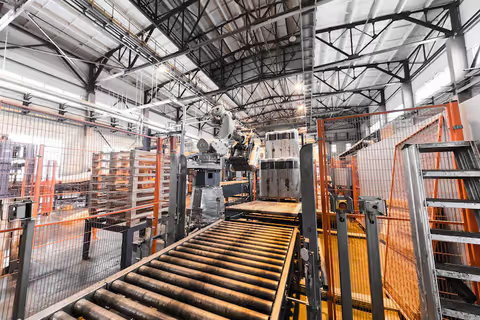
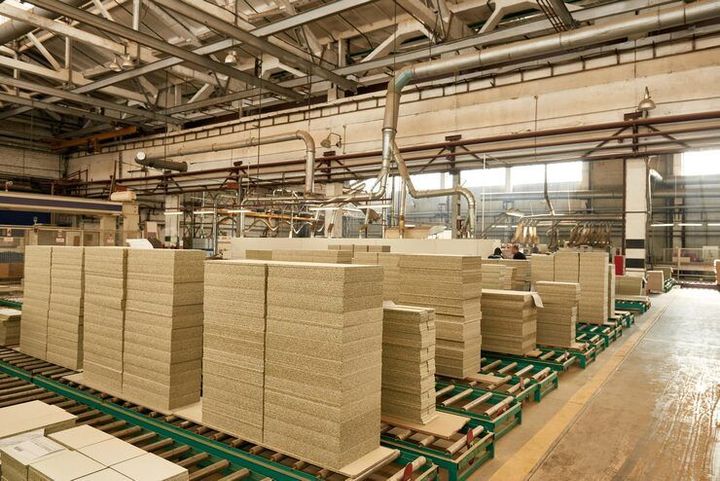
The manufacturing process generally involves several stages:
- Log selection and preparation
- Veneer peeling and drying
- Layer arrangement
- Adhesive application
- Hot pressing
- Trimming and finishing
- Quality inspection
The combination of engineering techniques and natural wood properties allows plywood to provide consistent performance across a wide range of environmental conditions.
Overview of Common Plywood Categories
| Plywood Type | Common Use | Key Characteristic |
|---|---|---|
| Softwood Plywood | Construction and roofing | Lightweight and durable |
| Hardwood Plywood | Furniture and cabinetry | Strong surface finish |
| Marine Plywood | Moisture-prone environments | Enhanced water resistance |
| Structural Plywood | Building frameworks | High load-bearing capacity |
| Decorative Plywood | Interior design projects | Attractive surface appearance |
Why Plywood Manufacturing Matters Today
Plywood manufacturing remains important because it supports multiple sectors of the global economy while contributing to efficient resource utilization.
Growing urbanization, infrastructure development, and renovation activities continue to increase demand for engineered wood products. As construction projects become more complex, builders often seek materials that offer strength, dimensional stability, and ease of installation.
Several groups are directly affected by plywood manufacturing:
- Construction professionals
- Architects and engineers
- Furniture manufacturers
- Interior designers
- Property developers
- Educational and healthcare infrastructure projects
Plywood helps address several common challenges.
First, it provides structural reliability. Cross-laminated veneer layers reduce the likelihood of splitting and warping.
Second, it improves material efficiency. Manufacturers can utilize a larger portion of harvested timber compared with some traditional lumber production methods.
Third, plywood supports modern design requirements. It is available in numerous thicknesses, grades, and finishes suitable for different environments.
Key Benefits of Quality-Controlled Plywood
| Benefit | Practical Impact |
| Dimensional Stability | Reduced warping and twisting |
| Strength-to-Weight Ratio | Easier handling and transportation |
| Material Efficiency | Better utilization of timber resources |
| Versatility | Suitable for multiple applications |
| Surface Uniformity | Improved finishing and appearance |
Recent Industry Developments and Trends
The plywood industry has experienced notable changes throughout 2025 and early 2026. Manufacturers have increasingly focused on sustainability, digital monitoring systems, and stricter quality control procedures.
One significant trend has been the increased use of certified wood sources. Many manufacturers now prioritize timber obtained from responsibly managed forests to align with environmental objectives and consumer expectations.
Another important development involves advanced manufacturing technology. During 2025, several production facilities globally expanded the use of automated inspection systems that help identify defects more accurately during manufacturing.
The adoption of low-emission adhesive technologies has also gained attention. Research and development efforts have focused on reducing volatile organic compound (VOC) emissions while maintaining bonding performance.
Recent industry observations include:
- Increased investment in automation during 2025
- Expansion of sustainability certification programs
- Greater emphasis on formaldehyde emission standards
- Growth in engineered wood applications
- Enhanced digital quality monitoring systems
Industry Trend Snapshot
Sustainability Focus      ██████████  High
Automation Adoption       ████████    Growing
Quality Certification     █████████   Strong
Digital Monitoring        ███████     Expanding
Low-Emission Materials    ████████    Increasing
These developments reflect broader efforts to improve environmental performance while maintaining product reliability and consistency.
Regulations, Standards, and Government Policies
Plywood manufacturing is influenced by numerous regulations that vary by country and region. These rules are designed to protect consumers, workers, forests, and the environment.
One major area of regulation involves product quality standards. Many countries require plywood products to meet specific performance criteria related to strength, moisture resistance, and durability.
Environmental regulations also affect manufacturing operations. Governments often establish requirements concerning:
- Sustainable forestry practices
- Air quality management
- Waste disposal procedures
- Chemical usage
- Energy efficiency measures
In several countries, certification systems help verify responsible forest management and supply chain transparency.
Examples of commonly referenced standards include:
| Regulatory Area | Purpose |
| Product Standards | Define performance requirements |
| Emission Standards | Limit chemical emissions |
| Forestry Regulations | Promote sustainable timber sourcing |
| Workplace Safety Rules | Protect manufacturing personnel |
| Environmental Compliance Programs | Reduce ecological impact |
Government-supported sustainability initiatives have encouraged manufacturers to adopt environmentally responsible production methods. These programs often emphasize resource conservation, emission reduction, and improved supply chain accountability.
Compliance with regulations is increasingly important because construction projects, educational institutions, and public infrastructure developments frequently require certified materials.
Tools and Resources Related to Plywood Manufacturing
Professionals, students, and industry stakeholders can benefit from a variety of tools and resources that support plywood evaluation, planning, and quality assessment.
Technical Calculation Tools
Useful calculators include:
- Sheet area calculators
- Material quantity estimators
- Structural load calculators
- Moisture content calculators
- Construction planning tools
These resources help users estimate material requirements and project specifications more accurately.
Design and Engineering Software
Commonly used software categories include:
- Computer-aided design (CAD) platforms
- Building Information Modeling (BIM) tools
- Structural analysis applications
- Material management systems
These tools support project planning and documentation across construction and manufacturing sectors.
Quality Assessment Resources
Industry professionals often use:
- Quality inspection checklists
- Laboratory testing guidelines
- Certification verification databases
- Material specification templates
Such resources help ensure compliance with applicable standards and performance requirements.
Educational Resources
Helpful learning materials include:
- Wood science publications
- Engineering reference guides
- Industry association reports
- Sustainability research papers
- Manufacturing process manuals
These resources provide valuable insights into production techniques, quality evaluation, and environmental considerations.
Applications of Modern Plywood
Plywood is used in a wide variety of settings because of its adaptability and mechanical performance.
Construction and Infrastructure
Construction remains one of the largest users of plywood products. Applications include:
- Roofing systems
- Wall sheathing
- Flooring underlayment
- Formwork structures
- Temporary site installations
Furniture Manufacturing
Furniture producers use plywood for:
- Cabinets
- Shelving systems
- Tables
- Storage units
- Office furniture
Its stability and smooth surface make it suitable for various finishing methods.
Interior Design
Interior designers frequently incorporate plywood into:
- Decorative wall panels
- Ceiling systems
- Partition walls
- Built-in furnishings
- Architectural features
Transportation and Industrial Uses
Plywood also appears in:
- Vehicle interiors
- Shipping containers
- Packaging solutions
- Industrial equipment structures
- Mobile workspaces
The broad range of applications demonstrates why plywood remains a critical engineered wood product in modern industries.
Frequently Asked Questions
What is plywood made from?
Plywood is manufactured by bonding multiple thin layers of wood veneer together with adhesives under heat and pressure. The alternating grain direction of the layers improves strength and stability.
Why is plywood stronger than some solid wood products?
The cross-grain construction distributes stress more evenly across the panel. This design reduces splitting, warping, and dimensional movement compared with certain solid wood applications.
What factors determine plywood quality?
Quality is typically evaluated based on veneer grade, bonding strength, moisture resistance, dimensional stability, surface finish, and compliance with relevant manufacturing standards.
How does plywood contribute to sustainable resource use?
Plywood production can improve timber utilization by converting logs into multiple veneer layers. When sourced from responsibly managed forests, it can support sustainable forestry objectives.
Where is plywood most commonly used?
Plywood is widely used in construction, furniture manufacturing, interior design, transportation systems, packaging, and industrial applications due to its versatility and durability.
Conclusion
Plywood manufacturing represents an important part of the modern wood products industry. By combining engineering principles with natural materials, manufacturers produce panels that offer strength, stability, and versatility for countless applications.
Recent developments in sustainability, automation, and quality assurance continue to shape the industry. At the same time, regulations and certification programs encourage responsible sourcing and environmental stewardship.
As construction methods evolve and demand for efficient building materials grows, plywood remains a valuable engineered wood product that supports infrastructure development, furniture production, and interior design projects around the world. Understanding how plywood is produced, regulated, and applied helps consumers and professionals make informed decisions while appreciating the role this material plays in contemporary manufacturing and construction.