The Ultimate Guide to Smart Home Devices for Modern Living
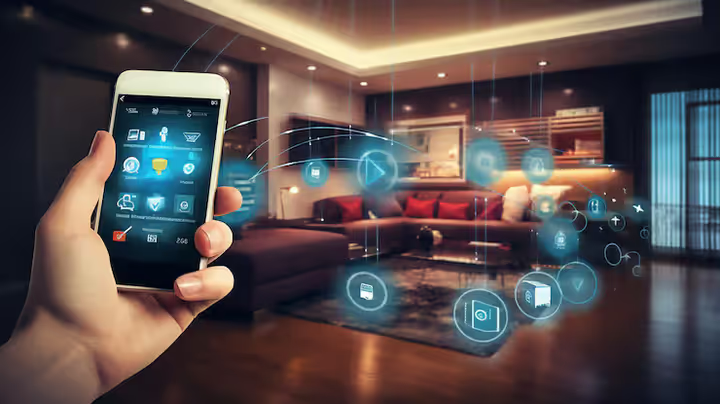
Smart home devices have transformed the way people interact with their living spaces. From voice-controlled lighting to intelligent security systems, connected technology is becoming a common part of everyday life. These devices are designed to improve convenience, energy efficiency, security, and overall home management through automation and internet connectivity.
As internet-connected technology continues to evolve, smart homes are becoming more accessible to households of different sizes and budgets. Understanding how these systems work, their benefits, recent developments, and the regulations that affect them can help individuals make informed decisions about adopting connected home technology.
Understanding Smart Home Devices and Their Purpose
Smart home devices are electronic products that connect to a network, allowing users to monitor, control, or automate functions within their homes. These devices often communicate through Wi-Fi, Bluetooth, Zigbee, Matter, or other smart home protocols.
The concept emerged from advancements in the Internet of Things (IoT), where everyday objects are connected to the internet and capable of sharing data. The goal is to create a more efficient and responsive living environment.
Common categories of smart home devices include:
- Smart speakers and voice assistants
- Smart thermostats
- Smart lighting systems
- Smart locks
- Video doorbells
- Smart security cameras
- Smart plugs
- Smart appliances
- Smart sensors
- Smart entertainment systems
The increasing availability of artificial intelligence, cloud computing, and wireless communication technologies has accelerated the development of connected home ecosystems.
Common Types of Smart Home Devices
| Device Category | Primary Function | Typical Benefits |
|---|---|---|
| Smart Lighting | Remote and automated lighting control | Energy efficiency and convenience |
| Smart Security Cameras | Home monitoring and surveillance | Enhanced security awareness |
| Smart Locks | Digital access management | Improved access control |
| Smart Thermostats | Automated temperature management | Reduced energy consumption |
| Smart Speakers | Voice command and automation hub | Hands-free control |
| Smart Sensors | Detection of motion, smoke, leaks, and occupancy | Early alerts and safety |
| Smart Appliances | Connected household operations | Improved efficiency |
Why Smart Home Technology Matters Today
The demand for connected living solutions has increased significantly due to changing lifestyles, growing digital adoption, and the need for greater efficiency in homes.
One of the biggest advantages of smart home technology is convenience. Users can automate repetitive tasks such as adjusting lighting, managing climate settings, or monitoring home security through mobile applications or voice commands.
Another important benefit is energy management. Smart thermostats, lighting systems, and connected appliances help reduce unnecessary energy usage by optimizing operations based on schedules and occupancy patterns.
Security is also a major factor driving adoption. Real-time notifications, remote monitoring, and automated alerts help homeowners stay informed about activities occurring within and around their properties.
Smart home technology affects a wide range of people, including:
- Homeowners seeking better home management
- Renters looking for flexible automation solutions
- Families prioritizing safety and security
- Older adults benefiting from assisted living technologies
- Remote workers creating efficient home environments
- Environmentally conscious households focused on sustainability
Problems Smart Home Devices Help Solve
Modern households face several challenges that connected technologies can address.
| Household Challenge | Smart Home Solution |
| High energy consumption | Smart thermostats and lighting controls |
| Home security concerns | Cameras, sensors, and smart locks |
| Manual household management | Automated routines and scheduling |
| Appliance monitoring difficulties | Connected appliance tracking |
| Water damage risks | Leak detection sensors |
| Elderly care monitoring | Smart health and safety alerts |
The ability to collect and analyze data enables many devices to adapt to user preferences over time, creating a more personalized living experience.
Recent Developments and Trends in Smart Home Technology
The smart home industry has experienced several notable developments during the past year.
Growth of Matter Standard Adoption
Throughout 2025 and into 2026, major technology companies continued expanding support for the Matter smart home standard. Matter aims to improve compatibility between devices from different manufacturers, reducing interoperability issues that have historically affected connected home systems.
This trend allows consumers to manage multiple devices through a more unified ecosystem regardless of brand differences.
Increased AI Integration
Artificial intelligence capabilities have become more common in smart home platforms. During 2025 and early 2026, AI-powered automation expanded beyond simple scheduling.
Examples include:
- Predictive energy management
- Personalized automation routines
- Intelligent security monitoring
- Voice assistant enhancements
- Occupancy-based automation
Enhanced Focus on Privacy
Several manufacturers introduced stronger privacy controls during 2025, responding to growing consumer concerns regarding data collection and surveillance.
New features increasingly include:
- Local data processing
- Enhanced encryption
- User-controlled permissions
- Improved transparency dashboards
Sustainability and Energy Efficiency
Energy management remained a major trend throughout 2025. Governments, utility providers, and technology companies continued promoting smart energy solutions that support sustainability goals.
Smart thermostats, connected energy monitoring systems, and intelligent appliance controls gained increased attention due to rising interest in reducing household energy consumption.
Smart Home Technology Adoption Trends
The following chart illustrates general market direction and adoption growth patterns.
| Year | Relative Adoption Trend |
| 2022 | Moderate Growth |
| 2023 | Strong Growth |
| 2024 | Accelerated Growth |
| 2025 | High Adoption |
| 2026 | Continued Expansion |
The market continues moving toward greater interoperability, enhanced automation, and improved user experiences.
Regulations, Policies, and Government Considerations
Smart home technology is increasingly influenced by privacy, cybersecurity, and consumer protection regulations.
Data Privacy Regulations
Many countries have implemented or strengthened privacy frameworks governing how connected devices collect, store, and process personal information.
Examples include:
- General Data Protection Regulation (GDPR) in Europe
- Consumer privacy laws in several U.S. states
- Digital privacy regulations across Asia-Pacific regions
These frameworks typically require transparency regarding data usage and user consent.
Cybersecurity Standards
Governments and industry organizations are placing greater emphasis on cybersecurity requirements for connected devices.
Common objectives include:
- Secure software updates
- Strong authentication methods
- Vulnerability disclosure programs
- Protection against unauthorized access
Energy Efficiency Programs
Some countries encourage the adoption of energy-efficient technologies through sustainability initiatives and environmental policies. Smart thermostats, energy monitoring systems, and connected appliances often align with broader energy conservation goals.
Smart City Integration
Many urban development programs now incorporate connected infrastructure. Smart homes can interact with broader smart city systems related to energy distribution, transportation, and environmental monitoring.
Helpful Tools and Resources for Smart Home Management
A variety of tools and platforms can help users manage connected home environments effectively.
Smart Home Management Platforms
- Google Home
- Apple Home
- Samsung SmartThings
- Amazon Alexa
- Home Assistant
Network and Security Tools
- Router management applications
- Password managers
- Multi-factor authentication tools
- Network monitoring dashboards
Energy Monitoring Resources
- Household energy tracking applications
- Utility company energy portals
- Smart meter dashboards
- Consumption analytics tools
Device Compatibility Resources
- Matter compatibility databases
- Manufacturer support centers
- Smart home integration guides
- Product documentation libraries
Home Automation Planning Resources
- Automation workflow templates
- Device setup checklists
- Smart home architecture planners
- Connected network design guides
Frequently Asked Questions
What is a smart home device?
A smart home device is an internet-connected product that can be monitored, controlled, or automated remotely through a mobile application, voice assistant, or centralized platform.
Are smart home devices secure?
Most modern smart home devices include encryption and security features. However, users should maintain strong passwords, enable multi-factor authentication, and regularly install software updates to improve security.
Do smart home devices require internet access?
Many devices rely on internet connectivity for remote access and cloud-based features. Some products can continue performing basic functions locally even when internet service is unavailable.
What is the Matter smart home standard?
Matter is an industry-supported connectivity standard designed to improve compatibility among smart home devices from different manufacturers, simplifying setup and integration.
Can smart home devices help reduce energy consumption?
Yes. Smart thermostats, lighting controls, occupancy sensors, and energy monitoring systems can optimize usage patterns and reduce unnecessary energy consumption.
Conclusion
Smart home devices have evolved from niche technologies into practical tools that support modern living. By combining automation, connectivity, artificial intelligence, and energy management capabilities, these devices help households improve convenience, efficiency, and security.
Recent developments such as Matter standard adoption, AI-powered automation, enhanced privacy controls, and sustainability initiatives continue shaping the future of connected homes. At the same time, privacy regulations and cybersecurity requirements are encouraging more responsible technology development.
As smart home ecosystems become increasingly integrated and user-friendly, understanding the available technologies, regulations, and management tools can help individuals create safer, more efficient, and more connected living environments.