A Comprehensive Guide to Heavy Equipment Used in Construction Projects: Types, Trends, and Applications
Construction projects rely on specialized machinery to complete complex tasks efficiently and safely. From moving soil and lifting heavy materials to road preparation and site development, heavy equipment has become a fundamental part of modern infrastructure work. Over time, advances in engineering and technology have transformed these machines into sophisticated tools capable of improving productivity and supporting large-scale projects.
This guide explores the purpose, importance, recent developments, regulations, and practical resources related to heavy equipment in construction.
Understanding Heavy Equipment in Construction
Heavy equipment refers to large machinery designed for demanding construction and industrial activities. These machines are built to perform tasks that would otherwise require extensive manual labor and significantly more time.
Common categories include:
• Earthmoving equipment
• Material handling machinery
• Road construction equipment
• Demolition equipment
• Site preparation machinery
• Lifting and transportation systems
Different projects require different equipment combinations based on terrain, project scale, and construction objectives.
The table below outlines some widely used equipment and their primary functions:
| Equipment Type | Main Function | Common Use |
|---|---|---|
| Excavator | Digging and trenching | Foundation work |
| Bulldozer | Pushing soil and debris | Land clearing |
| Crane | Lifting heavy materials | Building construction |
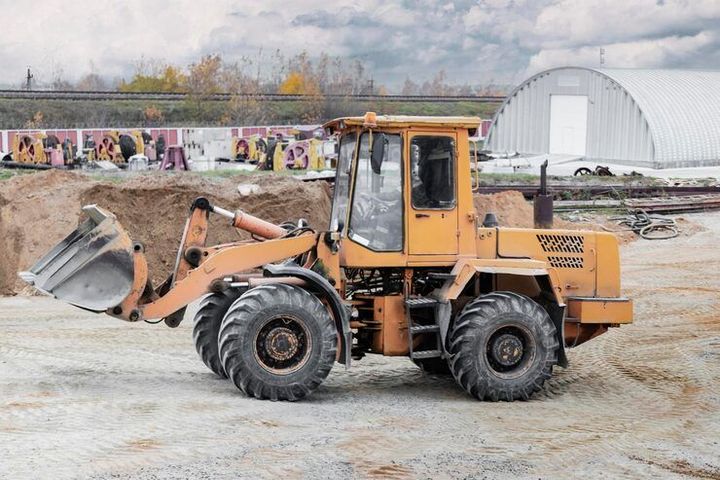
| Loader | Moving materials | Site handling |
| Motor Grader | Surface leveling | Road projects |
| Backhoe Loader | Digging and loading | Utility work |
| Asphalt Paver | Road paving | Highway projects |
| Compactor | Soil compression | Foundation preparation |
These machines exist because construction tasks increasingly require precision, speed, and safety standards that manual processes cannot consistently achieve.
Why Heavy Equipment Matters Today
Heavy machinery affects many sectors beyond construction. Transportation systems, urban development projects, industrial facilities, mining operations, and public infrastructure initiatives all depend on advanced construction equipment.
Several factors explain why heavy equipment remains important today:
• Supports large infrastructure projects
• Reduces project completion time
• Improves workplace safety
• Increases operational efficiency
• Enables work in difficult environments
• Enhances construction accuracy
Modern cities continue to expand, and governments worldwide are investing in transportation networks, renewable energy facilities, and public infrastructure. Such projects often depend on machinery capable of handling heavy materials and operating under challenging conditions.
Another important issue is workforce efficiency. Construction sites increasingly face skilled labor shortages in some regions. Equipment with automation features can assist workers and streamline repetitive tasks.
Heavy Equipment and Problem Solving
Heavy machinery addresses several common challenges found in construction environments.
| Challenge | Equipment Solution |
|---|---|
| Large excavation needs | Excavators and backhoes |
| Uneven terrain | Bulldozers and graders |
| Heavy material transport | Loaders and dump trucks |
| Site compaction requirements | Rollers and compactors |
| Vertical material movement | Cranes |
Without these machines, project timelines may increase significantly, and operational efficiency may decline.
Recent Trends and Industry Updates
The construction equipment industry has experienced notable changes during the past year. Technological development and sustainability initiatives are influencing how machinery is designed and used.
Recent developments observed during 2025–2026 include:
• Increased adoption of telematics systems
• Expansion of equipment automation features
• Greater interest in low-emission machinery
• Growth in electric and hybrid equipment research
• Improved predictive maintenance technologies
Telematics technology allows equipment operators and project managers to monitor machine performance remotely. Data such as fuel usage, maintenance alerts, and operating hours can now be tracked through connected systems.
Artificial intelligence is also influencing heavy machinery. Some modern equipment platforms include semi-autonomous functions designed to support repetitive tasks and improve operational accuracy.
The simplified trend chart below shows industry focus areas:
Construction Equipment Technology Trend
Automation: ████████████
Connected Systems: ██████████████
Electric Equipment: █████████
Data Analytics: ███████████
Safety Systems: █████████████
Industry reports from late 2025 highlighted continued investment in smart construction technologies as infrastructure projects increasingly adopt digital systems.
Environmental considerations are also shaping machinery development. Equipment manufacturers continue exploring energy-efficient alternatives and lower-emission technologies.
Rules, Regulations, and Government Influence
Construction equipment usage is influenced by regulations that vary across countries and regions. Governments establish standards to improve worker safety, environmental responsibility, and operational compliance.
Several policy areas affect construction machinery:
• Equipment emissions requirements
• Workplace safety standards
• Noise regulations
• Operator certification requirements
• Environmental impact assessments
In countries such as the United States, workplace equipment practices are influenced by occupational safety regulations. Similar frameworks exist across Europe and Asia.
In India, construction activity can be affected by government infrastructure initiatives and environmental policies. Large infrastructure programs often create broader demand for advanced machinery and encourage adoption of safer equipment practices.
Safety regulations may require:
• Regular machinery inspections
• Operator training documentation
• Protective equipment usage
• Equipment maintenance records
• Hazard assessment procedures
Compliance helps reduce risks associated with large-scale construction operations.
Useful Tools and Resources for Construction Equipment Knowledge
Construction professionals and researchers frequently use digital tools and informational resources to understand machinery performance and project requirements.
Helpful resources include:
• Equipment utilization calculators
• Fuel consumption estimators
• Construction planning software
• Project scheduling tools
• Maintenance tracking applications
• Infrastructure data platforms
Examples of practical digital resources:
| Resource Type | Purpose |
|---|---|
| Equipment Productivity Calculator | Estimate machine output |
| Project Timeline Software | Manage schedules |
| Maintenance Tracking System | Record inspections |
| GPS Fleet Monitoring Tool | Monitor machine locations |
| Construction Documentation Platform | Organize project records |
Educational websites, engineering publications, and government infrastructure portals can also provide valuable information about equipment standards and construction practices.
Data visualization platforms are becoming increasingly common as organizations seek better operational insights.
Frequently Asked Questions
What is considered heavy equipment in construction?
Heavy equipment includes large machines used for excavation, transportation, lifting, grading, and construction activities. Examples include excavators, cranes, bulldozers, loaders, and compactors.
Which heavy equipment is used most frequently?
Excavators are among the most widely used machines because they can perform multiple tasks such as digging, trenching, demolition, and material handling.
Why are smart technologies being added to construction equipment?
Smart technologies improve operational monitoring, equipment efficiency, predictive maintenance, and project management capabilities.
How does heavy machinery improve safety?
Modern equipment reduces manual labor exposure and includes features such as sensors, cameras, monitoring systems, and automated assistance technologies.
Do construction regulations affect equipment use?
Yes. Safety requirements, environmental standards, and operating guidelines can influence machinery selection and site procedures.
Conclusion
Heavy equipment continues to play an essential role in construction projects around the world. These machines support infrastructure development, increase operational efficiency, and help complete demanding tasks more effectively.
Recent advances in automation, connected systems, and sustainability are reshaping how construction machinery operates. At the same time, regulations and safety standards continue to influence equipment practices across different regions.
Understanding heavy equipment is valuable not only for industry professionals but also for anyone interested in how roads, buildings, transportation systems, and public infrastructure are developed. As construction technology evolves, machinery will likely continue adapting to meet future engineering and environmental challenges.