Understanding Yoga: A Simple Guide to Improve Flexibility, Strength, and Mental Well-being
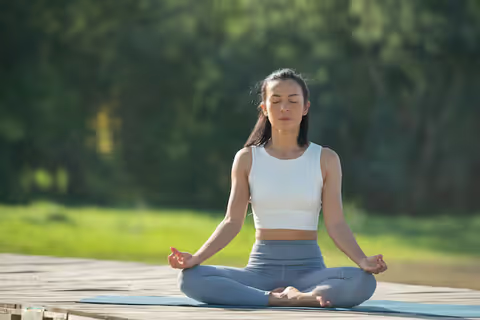
Yoga is a holistic practice that combines physical movement, breathing techniques, and mental focus. Originating thousands of years ago, it has evolved into a widely practiced activity across the world. Today, yoga is commonly associated with improving flexibility, building strength, and enhancing mental well-being.
At its core, yoga aims to create balance between the body and mind. It includes various styles and approaches, from slow and meditative practices to more physically demanding sequences. While modern interpretations may differ, the foundational idea remains the same: promoting overall wellness through mindful movement and awareness.
Yoga exists because of the need for physical health and mental clarity. In a fast-paced environment filled with stress and sedentary habits, practices like yoga offer a structured way to maintain balance. It is accessible to people of different ages and fitness levels, making it a versatile addition to daily routines.
Why Yoga Matters Today
In recent years, the importance of physical and mental health has gained significant attention. Yoga plays a role in addressing both aspects simultaneously.
Many individuals experience challenges such as stress, lack of physical activity, and poor posture due to long hours of sitting. Yoga provides a structured approach to address these concerns. It helps improve flexibility, supports muscle strength, and encourages better posture.
From a mental health perspective, yoga promotes relaxation and mindfulness. Controlled breathing and focused movement can contribute to reduced stress levels and improved concentration.
Key benefits associated with yoga include:
- Improved flexibility and joint mobility
- Enhanced muscle strength and balance
- Better posture and body awareness
- Support for stress management and relaxation
- Improved focus and mental clarity
Who can benefit from yoga?
- Students managing academic pressure
- Professionals dealing with sedentary work routines
- Older adults aiming to maintain mobility
- Individuals seeking mental relaxation and mindfulness
Yoga also helps bridge the gap between physical exercise and mental wellness practices, making it a comprehensive approach to health.
Recent Trends and Developments in Yoga
Yoga continues to evolve, especially with the integration of technology and changing lifestyle preferences.
In 2025, several notable trends have emerged:
- Digital Yoga Platforms: Online yoga sessions and virtual classes have become more common, allowing users to practice at home.
- Wearable Integration: Fitness trackers now include features to monitor breathing patterns and flexibility progress.
- Mindfulness-Focused Yoga: There is an increasing emphasis on mental well-being, combining yoga with meditation techniques.
- Workplace Wellness Programs: Organizations are incorporating yoga sessions to support employee well-being.
A report published in early 2025 highlighted that more individuals are adopting short, daily yoga routines rather than long sessions. This shift reflects the need for flexible and time-efficient wellness practices.
Comparison of Traditional vs Modern Yoga Trends:
| Aspect | Traditional Approach | Modern Trend (2025) |
|---|---|---|
| Practice Location | Ashrams or studios | Home and digital platforms |
| Duration | Longer sessions | Short, flexible routines |
| Focus | Spiritual growth | Physical + mental well-being |
| Accessibility | Limited | Widely accessible online |
These changes indicate that yoga is adapting to modern lifestyles while maintaining its foundational principles.
Laws, Policies, and Government Initiatives
Yoga is not only a personal wellness practice but also recognized at national and international levels.
In India, yoga has received formal recognition through various initiatives. The government supports yoga awareness programs and educational campaigns. One of the most notable developments is the celebration of International Yoga Day on June 21 each year, established in 2015.
Key policy-related aspects include:
- Promotion of yoga through educational institutions
- Inclusion of yoga in school wellness programs
- Public awareness campaigns for healthy living
- Certification programs for yoga instructors
The Ministry of AYUSH in India plays a role in promoting traditional practices, including yoga, as part of preventive healthcare strategies.
Globally, yoga is often included in public health discussions due to its potential benefits for physical and mental well-being. While it is not heavily regulated in most countries, guidelines exist for training and certification to ensure safe practice.
Tools and Resources for Yoga Practice
With the advancement of technology, several tools and resources are available to support yoga practice. These tools can help beginners understand basic poses and track progress over time.
Common tools and resources include:
- Mobile apps for guided yoga sessions
- Online video platforms with instructional content
- Wearable devices for tracking activity and breathing
- Printable yoga pose charts and templates
- Digital wellness platforms with structured programs
Examples of useful resource categories:
- Yoga Apps: Provide structured routines and progress tracking
- Instructional Videos: Help visualize correct posture and techniques
- Breathing Guides: Assist in learning controlled breathing methods
- Progress Trackers: Monitor flexibility and consistency
Basic Weekly Yoga Plan (Example):
| Day | Focus Area | Duration |
|---|---|---|
| Monday | Stretching & Flexibility | 20 min |
| Wednesday | Strength & Balance | 25 min |
| Friday | Relaxation & Breathing | 15 min |
| Sunday | Full Body Routine | 30 min |
Using these tools can help individuals maintain consistency and gradually improve their practice.
Frequently Asked Questions
What is yoga and how does it work?
Yoga is a practice that combines physical postures, breathing techniques, and mindfulness. It works by improving body movement, enhancing breathing control, and promoting mental relaxation.
How often should someone practice yoga?
Consistency is more important than duration. Practicing 3–4 times per week, even for short sessions, can provide noticeable benefits over time.
Is yoga suitable for beginners?
Yes, yoga is adaptable for all levels. Beginners can start with simple poses and gradually progress as they become more comfortable.
Can yoga help with stress management?
Yoga includes breathing and relaxation techniques that can support stress reduction and improve overall mental clarity.
Do you need special equipment for yoga?
Basic practice requires minimal equipment, such as a mat. Comfortable clothing and a quiet space are usually sufficient.
Conclusion
Yoga is a versatile and accessible practice that supports both physical and mental well-being. By combining movement, breathing, and mindfulness, it offers a balanced approach to health.
In today’s fast-paced environment, yoga provides a structured way to manage stress, improve flexibility, and maintain strength. With the rise of digital tools and evolving trends, it has become more accessible than ever.
Government initiatives and global recognition further highlight its importance as part of a healthy lifestyle. Whether practiced at home or in a guided setting, yoga continues to be a practical option for individuals seeking balance and well-being.
Adopting yoga as part of a routine does not require extensive resources or experience. With consistent practice and the right guidance, it can contribute to long-term physical and mental wellness.