Agricultural Equipment Trends: A Complete Guide to Modern Farming Innovations
Agriculture has changed significantly over the past few decades. Traditional farming methods that relied heavily on manual labor are increasingly supported by technology and modern equipment. Agricultural equipment trends refer to the evolution and use of machinery, digital systems, and innovative farming technologies designed to improve efficiency and productivity in agriculture.
Modern farming innovations exist because global agriculture faces many challenges. Farmers must produce more food for a growing population while dealing with changing climate conditions, limited natural resources, and increasing pressure to improve sustainability. Advanced agricultural equipment helps address these concerns through automation, precision technology, and better resource management.
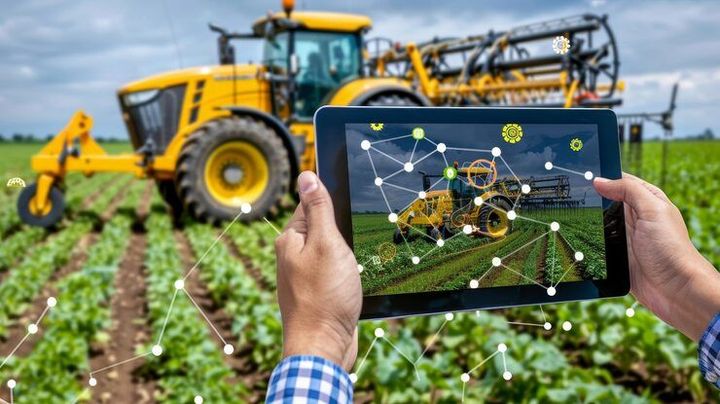
Today, technology-driven agriculture includes precision farming systems, smart tractors, agricultural automation, GPS-guided equipment, farm management software, and data-driven tools. These developments are reshaping farming practices across both large-scale and small-scale agricultural sectors.
Understanding Modern Agricultural Equipment
Agricultural equipment includes machinery and technologies used in planting, harvesting, irrigation, crop monitoring, soil management, and livestock care.
Examples include:
• Smart tractors with GPS systems
• Precision planting equipment
• Agricultural drones for field monitoring
• Automated irrigation systems
• Sensor-based crop management tools
• Artificial intelligence farming systems
• Autonomous harvesting machines
The goal of these innovations is to improve productivity while reducing unnecessary resource usage.
Key Technology Areas in Modern Agriculture
| Technology Area | Primary Function | Example Application |
|---|---|---|
| Precision Agriculture | Data-based farming decisions | GPS crop mapping |
| Agricultural Drones | Field observation | Crop health monitoring |
| Smart Irrigation | Water management | Automated watering systems |
| Farm Analytics | Performance tracking | Yield prediction |
| Agricultural Robotics | Automation | Harvest assistance |
| IoT Sensors | Real-time monitoring | Soil moisture tracking |
These technologies increasingly work together to create integrated farming systems.
Why Agricultural Equipment Trends Matter Today
Agricultural equipment innovation affects many groups beyond farmers alone. Food industries, governments, researchers, environmental organizations, and consumers all benefit from improvements in agricultural productivity and sustainability.
Several major challenges make this topic important:
• Population growth increases food demand
• Water conservation has become critical
• Climate change affects crop production
• Labor shortages influence agricultural operations
• Soil quality management requires better monitoring
• Resource efficiency is becoming increasingly important
Advanced agricultural technology can help solve many of these problems by improving decision-making and reducing waste.
For example, precision agriculture systems can identify specific areas of a field that need irrigation or nutrients instead of treating the entire area equally. This targeted approach can reduce water use and improve crop management practices.
Areas Most Affected by Agricultural Innovation
Modern agricultural equipment impacts:
• Crop farming operations
• Livestock management systems
• Greenhouse agriculture
• Irrigation planning
• Agricultural research institutions
• Rural development programs
Farm technology is also becoming increasingly important in developing regions where agricultural productivity improvements can influence food availability.
Agricultural Technology Adoption Trend
Below is a simplified illustration of how technology adoption in farming has increased over time:
| Year | Estimated Technology Adoption Trend |
|---|---|
| 2010 | Low |
| 2015 | Moderate |
| 2020 | High |
| 2023 | Very High |
| 2025 | Rapid Expansion |
The trend shows a growing interest in agricultural automation and digital farming technologies.
Recent Developments in Agricultural Equipment
Agricultural technology continues to evolve rapidly. Several developments gained attention during the past year.
During 2025 and early 2026, artificial intelligence integration in agriculture became a growing focus. AI systems increasingly assist farmers by analyzing weather patterns, crop conditions, and field data to support planning decisions.
Autonomous farm equipment also expanded. Self-guided tractors and robotic systems capable of performing repetitive field tasks continued development in multiple regions.
Another trend involved sustainable farming equipment designed to reduce emissions and improve energy efficiency. Manufacturers and researchers increasingly focused on environmentally responsible agricultural technologies.
Drone applications also expanded beyond aerial photography. New systems assist with:
• Crop health analysis
• Pest detection
• Field mapping
• Agricultural data collection
• Precision spraying support
Digital agriculture platforms became more common as farmers sought centralized systems to monitor multiple aspects of farm operations.
Emerging Smart Agriculture Ecosystem
Modern agricultural systems increasingly combine several technologies into a connected network:
Field Sensors → Cloud Data Platforms → AI Analysis → Equipment Response → Farm Monitoring Dashboard
This integrated structure helps farmers gather information and respond more efficiently.
Government Policies and Agricultural Programs
Agricultural technology does not develop independently. Government regulations and agricultural policies often influence equipment use, sustainability goals, and technology adoption.
Many countries support digital agriculture through funding initiatives and modernization programs.
Examples of policy areas include:
• Precision agriculture promotion initiatives
• Water conservation regulations
• Climate-smart agriculture programs
• Agricultural data standards
• Equipment safety requirements
• Sustainable farming frameworks
In countries such as India, agricultural modernization programs have encouraged the use of technology-based farming solutions.
Government initiatives often emphasize:
• Improved irrigation efficiency
• Technology awareness programs
• Digital agricultural infrastructure
• Agricultural research partnerships
Environmental regulations can also affect equipment design. Machinery manufacturers increasingly consider fuel efficiency and sustainability standards.
Regulatory Focus Areas
| Policy Area | Purpose |
|---|---|
| Water Regulations | Improve conservation |
| Equipment Standards | Enhance operational safety |
| Environmental Policies | Reduce emissions |
| Digital Agriculture Initiatives | Encourage technology use |
| Sustainability Programs | Promote responsible farming |
Policy development continues to shape agricultural technology adoption globally.
Useful Agricultural Tools and Resources
Modern farming increasingly depends on digital resources and management tools. These systems help organize farm activities and improve information access.
Helpful resources include:
• Farm management software platforms
• Weather forecasting applications
• GPS field mapping systems
• Crop planning templates
• Soil nutrient calculators
• Irrigation scheduling tools
• Agricultural data dashboards
• Farm analytics platforms
Some agricultural organizations also provide educational materials and digital resources for farmers and researchers.
Important categories of agricultural tools include:
Data Collection Tools
• Satellite imagery systems
• Remote sensing platforms
• Field monitoring applications
Planning Tools
• Crop rotation templates
• Seasonal farming planners
• Yield tracking systems
Decision Support Tools
• Weather analytics systems
• Pest monitoring databases
• Agricultural forecasting models
These resources support more informed farming decisions.
Frequently Asked Questions
What is modern agricultural equipment?
Modern agricultural equipment includes advanced machinery and technologies used in farming activities. Examples include GPS-enabled tractors, automated irrigation systems, drones, and precision agriculture tools.
What is precision agriculture?
Precision agriculture is a farming approach that uses data, sensors, GPS technology, and digital tools to manage crops more accurately and efficiently.
How do agricultural drones help farming?
Agricultural drones help monitor crop conditions, identify field issues, collect aerial information, and support data-driven farm management.
Why is automation becoming important in agriculture?
Automation helps reduce repetitive work, improve efficiency, address labor shortages, and support more consistent agricultural operations.
How does technology support sustainable farming?
Technology supports sustainability through better resource management, reduced waste, improved water efficiency, and data-based farming practices.
Conclusion
Agricultural equipment trends continue to reshape farming worldwide. Modern innovations increasingly combine machinery, software, automation, and analytics to improve agricultural practices.
As food demand grows and environmental challenges become more complex, farming systems are adapting through technology-driven approaches. Precision agriculture, artificial intelligence, connected sensors, and digital management systems are becoming important components of modern agriculture.
Understanding these developments can help individuals better recognize how technology influences food production and agricultural sustainability. While innovation continues to evolve, the overall direction remains focused on efficiency, responsible resource use, and informed decision-making across the agricultural sector.