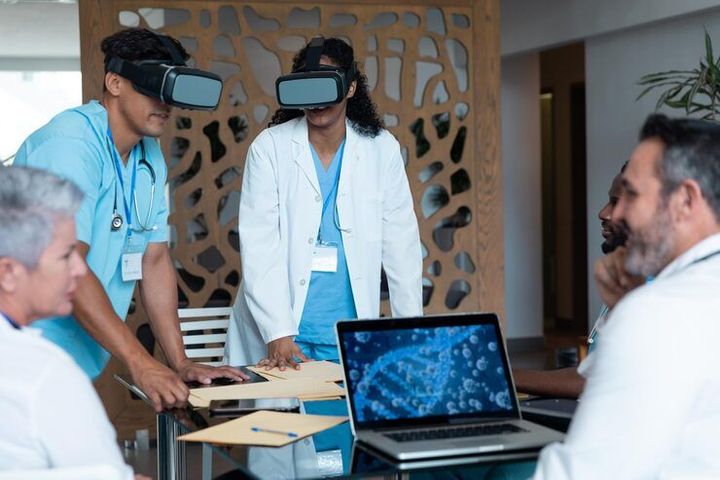
Exploring Medical Technology: Devices, Digital Health, and Smart Healthcare
Medical technology refers to the tools, systems, software, and devices used to support healthcare, diagnosis, treatment, monitoring, and patient management. It combines healthcare knowledge with engineering, digital systems, and data analysis to improve medical outcomes and healthcare efficiency.
Modern healthcare environments rely on medical technology for many daily functions. Hospitals, clinics, laboratories, and even home healthcare systems use connected devices and digital platforms to assist doctors, nurses, researchers, and patients.
Medical technology exists because healthcare systems face several ongoing challenges, including:
- Increasing patient populations
- Demand for faster diagnosis
- Chronic disease management
- Data organization needs
- Remote healthcare access
- Healthcare workforce pressure
Examples of medical technology include:
| Medical Technology Type | Common Use |
|---|---|
| Wearable Health Devices | Heart rate and activity tracking |
| Diagnostic Imaging Systems | Detecting internal health conditions |
| Electronic Health Records (EHR) | Managing patient data |
| Telemedicine Platforms | Remote healthcare consultations |
| Artificial Intelligence Systems | Assisting medical analysis |
| Robotic Surgery Systems | Precision surgical procedures |
Healthcare technology has evolved significantly over the last decade. Earlier systems focused mainly on equipment inside hospitals, while current technologies also support home monitoring, mobile healthcare access, and cloud-based health data systems.
Why Medical Technology Matters Today
Medical technology affects nearly every part of modern healthcare. It supports healthcare professionals in making informed decisions while also improving patient access to medical information and healthcare services.
One major reason medical technology matters today is the growth of digital health systems. Many healthcare organizations now use electronic records and cloud-based systems instead of paper documentation. This helps improve communication between healthcare providers and reduces administrative delays.
Another important factor is the rise of chronic health conditions such as diabetes, cardiovascular disease, and respiratory illnesses. Medical monitoring devices help track patient health continuously and provide data that can support long-term treatment plans.
Key Benefits of Smart Healthcare Systems
- Faster access to medical records
- Improved healthcare communication
- Better patient monitoring
- Reduced paperwork and manual errors
- Increased healthcare accessibility in remote regions
- Data-driven healthcare analysis
Digital healthcare tools also became more widely discussed during and after the global COVID-19 pandemic. Remote consultation systems and health tracking platforms expanded rapidly between 2020 and 2025.
Groups Commonly Affected by Medical Technology
| Group | Impact |
|---|---|
| Patients | Easier access to healthcare information |
| Doctors | Faster diagnosis support |
| Hospitals | Improved workflow management |
| Researchers | Better medical data analysis |
| Elderly Individuals | Remote monitoring assistance |
| Rural Communities | Expanded telehealth access |
Medical technology also supports preventive healthcare. Smart devices and health applications allow individuals to monitor physical activity, sleep patterns, blood pressure, and other wellness indicators.
Recent Updates and Trends in Medical Technology
The medical technology sector continues to evolve rapidly. Several important developments have gained attention during 2025 and early 2026.
Artificial Intelligence in Healthcare Expansion
Artificial intelligence (AI) tools are increasingly being used to assist medical imaging analysis, predictive healthcare analytics, and patient record management. In 2025, several healthcare organizations expanded AI-assisted radiology systems to improve imaging review speed.
AI healthcare systems are commonly used for:
- Pattern detection in medical scans
- Administrative workflow support
- Predictive healthcare insights
- Clinical documentation assistance
Growth of Remote Patient Monitoring
Remote patient monitoring systems became more common during 2025. Healthcare providers increasingly adopted wearable sensors and connected monitoring devices for patients managing chronic conditions at home.
Examples include:
- Smart glucose monitoring systems
- Wireless heart monitoring devices
- Sleep tracking tools
- Mobile blood pressure monitors
Expansion of Telehealth Platforms
Telehealth remains an important healthcare trend. Many countries continued investing in digital healthcare infrastructure during 2025 to improve healthcare accessibility.
According to multiple healthcare reports published in 2025, telemedicine usage remains higher than pre-2020 levels, especially in rural and underserved regions.
Cybersecurity Focus in Healthcare Systems
Healthcare cybersecurity became a major discussion point in 2025 due to increasing concerns about digital patient data protection.
Healthcare organizations are now focusing on:
- Encrypted medical records
- Multi-factor authentication systems
- Cloud security standards
- Data privacy compliance
Smart Hospitals and Automation
Some healthcare facilities are introducing automation technologies such as:
| Smart Healthcare Technology | Function |
|---|---|
| Automated Medication Systems | Medication distribution support |
| Smart Bed Monitoring | Patient movement and safety alerts |
| Robotic Assistance Systems | Surgical and logistics support |
| IoT Healthcare Devices | Real-time device communication |
The integration of Internet of Things (IoT) systems in healthcare is expected to continue expanding during 2026.
Regulations and Healthcare Policies
Medical technology is closely connected to healthcare regulations and government policies. Different countries have their own rules regarding healthcare devices, digital records, and patient privacy.
Healthcare Device Regulations
Medical devices generally require approval from national regulatory authorities before they can be used in healthcare environments.
Examples of major regulatory organizations include:
| Organization | Region |
|---|---|
| U.S. Food and Drug Administration (FDA) | United States |
| European Medicines Agency (EMA) | European Union |
| Central Drugs Standard Control Organization (CDSCO) | India |
| Medicines and Healthcare products Regulatory Agency (MHRA) | United Kingdom |
These organizations review medical equipment safety, performance, and compliance standards.
Digital Health Data Privacy Laws
Healthcare systems must also follow privacy and cybersecurity regulations.
Important healthcare data regulations include:
- HIPAA in the United States
- GDPR in the European Union
- Digital Information Security in Healthcare Act (DISHA discussions in India)
- National health data governance frameworks
These rules help protect sensitive patient information and regulate how healthcare data is stored and shared.
Government Healthcare Technology Programs
Many governments are investing in healthcare digitalization programs.
Examples include:
- National digital health missions
- Electronic health record initiatives
- AI healthcare research funding
- Rural telemedicine infrastructure programs
India’s digital healthcare ecosystem has expanded through initiatives linked to the Ayushman Bharat Digital Mission (ABDM), which supports digital health identity systems and electronic healthcare integration.
Helpful Tools and Healthcare Resources
Many digital tools and educational platforms help people learn about medical technology and healthcare systems.
Common Healthcare Technology Tools
| Tool Type | Purpose |
|---|---|
| Health Tracking Apps | Monitor activity and wellness |
| Telemedicine Platforms | Online healthcare consultations |
| Medication Reminder Apps | Daily medicine tracking |
| Electronic Health Record Systems | Patient data management |
| Medical Research Databases | Access healthcare studies |
Educational Healthcare Resources
Useful healthcare learning resources often include:
- Medical journals
- Healthcare technology blogs
- Government healthcare portals
- Public health organization websites
- Online healthcare education platforms
Common Digital Health Features
Many modern healthcare systems now include:
- Appointment scheduling
- Digital prescriptions
- Health report access
- Virtual consultations
- Secure patient messaging
Popular Areas of Medical Technology Research
- Artificial intelligence in medicine
- Robotics in healthcare
- Biotechnology systems
- Precision medicine
- Wearable healthcare devices
- Healthcare cybersecurity
- Cloud healthcare infrastructure
Medical Technology Adoption Challenges
Despite rapid growth, healthcare technology systems still face several challenges.
Common Challenges Include
- Data privacy concerns
- High implementation complexity
- Training requirements
- System compatibility issues
- Unequal digital access
- Cybersecurity risks
Healthcare experts often emphasize the importance of balancing innovation with patient safety, ethical standards, and accessibility.
Frequently Asked Questions
What is medical technology?
Medical technology refers to healthcare-related devices, software, systems, and tools used to diagnose, monitor, manage, or support medical treatment and healthcare services.
What is digital health?
Digital health is the use of digital systems such as mobile applications, telemedicine platforms, wearable devices, and electronic health records to support healthcare services and wellness monitoring.
How does artificial intelligence help healthcare?
Artificial intelligence can assist healthcare professionals by analyzing medical data, identifying patterns in imaging systems, supporting clinical documentation, and improving workflow efficiency.
Are wearable health devices considered medical technology?
Yes. Many wearable devices such as smartwatches, heart rate trackers, and glucose monitoring systems are part of modern medical technology ecosystems.
Why are healthcare regulations important?
Healthcare regulations help ensure patient safety, data privacy, device reliability, and ethical healthcare practices within medical technology systems.
Conclusion
Medical technology continues to shape the future of healthcare through digital systems, smart devices, artificial intelligence, and connected healthcare platforms. From electronic health records to remote patient monitoring, healthcare technology supports faster communication, improved patient management, and greater healthcare accessibility.
The healthcare industry is also adapting to new challenges involving cybersecurity, digital privacy, and system integration. Governments, healthcare providers, researchers, and technology developers continue working toward safer and more efficient healthcare environments.
As smart healthcare systems evolve, medical technology is expected to remain an important part of modern healthcare infrastructure, education, research, and patient care worldwide.