Industrial Painting: A Complete Guide to Methods, Benefits, and Applications
Industrial painting is an essential process used across manufacturing, construction, transportation, energy, and infrastructure sectors to protect surfaces from environmental damage while improving durability and appearance. Unlike decorative painting, industrial painting focuses on long-term performance in demanding environments where equipment and structures are exposed to moisture, chemicals, heat, abrasion, and corrosion.
Today, industries rely on advanced industrial coating systems to extend the lifespan of machinery, steel structures, pipelines, storage tanks, bridges, and production equipment. Modern industrial paint technology combines protective coatings with specialized application techniques to achieve reliable performance while meeting environmental and workplace safety standards.
Understanding industrial painting helps engineers, facility managers, students, business owners, and anyone interested in industrial maintenance appreciate how protective coatings contribute to safer and more sustainable operations.
Understanding Industrial Painting
Industrial painting refers to the application of specialized protective coatings on industrial equipment, buildings, machinery, pipelines, and structural components. These coatings are designed to protect surfaces against corrosion, weathering, chemical exposure, ultraviolet radiation, and physical wear.
Unlike conventional paints used in homes, industrial coatings are engineered for specific operating conditions. Different formulations provide resistance to moisture, acids, solvents, high temperatures, and heavy mechanical stress.
Common industries that use industrial painting include:
- Manufacturing
- Oil and gas
- Power generation
- Marine engineering
- Aerospace
- Automotive manufacturing
- Mining
- Water treatment facilities
- Construction
- Food processing
Common Industrial Painting Methods
Different projects require different application methods depending on the surface, coating type, and production requirements.
| Painting Method | Primary Application | Key Advantages |
|---|---|---|
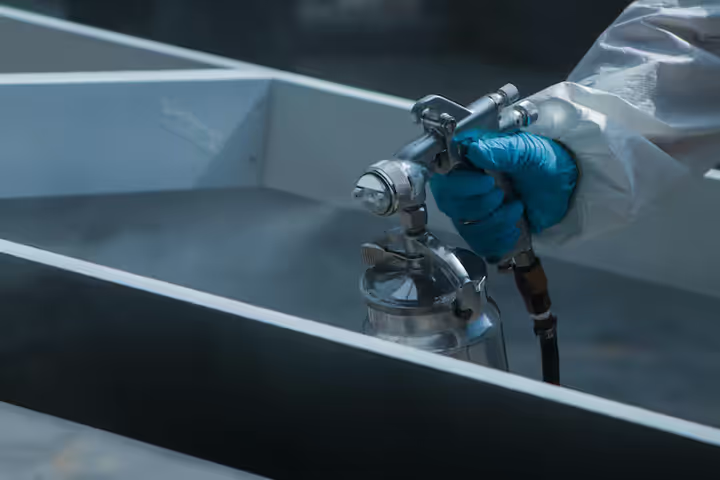
| Air Spray Painting | Large structures | Uniform finish |
| Airless Spray Painting | Steel fabrication | High-speed application |
| Electrostatic Painting | Metal components | Improved coating transfer |
| Powder Coating | Industrial products | Durable and environmentally efficient |
| Brush Painting | Maintenance work | Precise application |
| Roller Painting | Flat surfaces | Consistent coverage |
| Dip Coating | Small components | Complete surface protection |
Types of Industrial Coatings
Several coating technologies are widely used across industries.
| Coating Type | Typical Use | Main Protection |
|---|---|---|
| Epoxy Coatings | Steel structures | Corrosion resistance |
| Polyurethane Coatings | Outdoor equipment | UV protection |
| Zinc-Rich Primers | Structural steel | Rust prevention |
| Acrylic Coatings | General industrial surfaces | Weather resistance |
| Silicone Coatings | High-temperature equipment | Heat resistance |
| Fluoropolymer Coatings | Chemical plants | Chemical resistance |
Why Industrial Painting Matters Today
Industrial assets represent significant investments. Without proper surface protection, corrosion and environmental damage can shorten equipment lifespan and increase maintenance requirements.
Protective coatings help preserve infrastructure while improving operational reliability.
Benefits of Industrial Painting
Industrial painting provides several practical advantages.
- Protects metal from corrosion and oxidation
- Extends equipment lifespan
- Improves resistance to chemicals and moisture
- Supports workplace safety by increasing visibility
- Reduces maintenance frequency
- Enhances resistance to abrasion and impact
- Improves environmental durability
- Supports regulatory compliance for industrial facilities
Industries That Benefit
Industrial painting plays an important role across many sectors.
| Industry | Common Applications |
|---|---|
| Manufacturing | Production equipment and machinery |
| Marine | Ships, offshore platforms, docks |
| Oil and Gas | Pipelines, tanks, processing facilities |
| Construction | Steel buildings and bridges |
| Energy | Wind turbines, substations, power plants |
| Transportation | Rail systems, heavy equipment |
| Mining | Processing plants and conveyors |
Problems Industrial Painting Helps Solve
Without protective coatings, industrial assets may experience:
- Surface corrosion
- Rust formation
- Chemical degradation
- Premature equipment failure
- Increased maintenance requirements
- Reduced operational efficiency
- Structural deterioration
- Moisture penetration
Protective coating systems help reduce these risks by creating durable barriers between industrial surfaces and harsh operating environments.
Recent Developments in Industrial Painting
Industrial coating technology has continued to evolve throughout 2025 and early 2026, driven by sustainability initiatives, automation, and stricter environmental standards.
Several notable developments include:
- Increased adoption of low-VOC (Volatile Organic Compound) coating formulations to reduce environmental impact.
- Greater use of water-based industrial coatings in manufacturing facilities where environmental compliance is a priority.
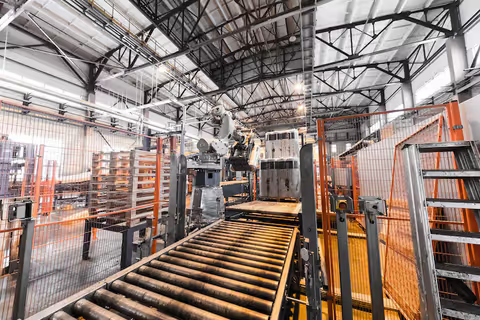
- Expansion of robotic painting systems that improve coating consistency while reducing overspray.
- Continued growth of powder coating technology, which minimizes coating waste and supports cleaner production processes.
- Integration of AI-assisted quality inspection using cameras and sensors to detect coating thickness variations.
- Wider use of digital coating inspection tools that generate detailed reports for maintenance planning.
- Development of high-performance anti-corrosion coatings designed for renewable energy infrastructure, offshore wind projects, and battery manufacturing facilities.
Recent industry discussions have also focused on reducing carbon emissions during coating production and improving recycling practices for industrial finishing operations.
Emerging Industry Trends
Industrial Painting Trends (2025–2026)

Low-VOC Coatings          ████████████
Powder Coating            ███████████
Automation                ██████████
Robotic Painting          █████████
Digital Inspection        ████████
Smart Coatings            ███████
These trends reflect increasing attention to efficiency, workplace safety, and environmental responsibility.
Regulations and Policies Affecting Industrial Painting
Industrial painting activities are influenced by environmental regulations, occupational safety standards, and industrial quality requirements. Although specific rules vary between countries, several common regulatory areas affect industrial coating operations.
Environmental Regulations
Many governments regulate:
- Volatile Organic Compound (VOC) emissions
- Air pollution during coating application
- Hazardous waste disposal
- Chemical storage requirements
- Water pollution prevention
These regulations encourage the use of environmentally responsible coating technologies where practical.
Workplace Safety Standards
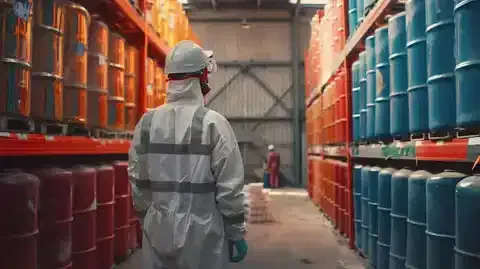
Industrial painting often involves compressed air systems, elevated work areas, and chemical handling. Workplace safety regulations typically address:
- Personal protective equipment (PPE)
- Respiratory protection
- Ventilation requirements
- Fire prevention
- Safe chemical handling
- Worker exposure monitoring
International Standards
Many industrial projects reference internationally recognized standards such as:
- ISO coating standards
- Surface preparation guidelines
- Corrosion protection specifications
- Environmental management systems
- Occupational safety management frameworks
Organizations frequently establish internal quality control procedures to ensure coating performance meets engineering requirements.
Useful Tools and Resources
Industrial painting projects often involve planning, inspection, documentation, and quality verification. Several resources help professionals improve accuracy and consistency.
| Tool or Resource | Purpose |
|---|---|
| Paint Thickness Gauge | Measures coating thickness |
| Surface Profile Gauge | Evaluates surface preparation |
| Corrosion Inspection Checklists | Supports maintenance planning |
| VOC Calculation Tools | Assists environmental reporting |
| Industrial Coating Data Sheets | Provides technical specifications |
| Safety Data Sheets (SDS) | Explains chemical handling information |
| Coating Inspection Templates | Documents inspection results |
| Digital Maintenance Software | Tracks coating maintenance schedules |
Helpful Online Resources
Professionals commonly reference:
- International standards organizations
- Occupational safety agencies
- Environmental protection authorities
- Industrial coating manufacturer technical libraries
- Corrosion engineering publications
- Surface preparation guidelines
- Engineering reference manuals
These resources provide educational information about coating selection, inspection procedures, environmental practices, and workplace safety.
Frequently Asked Questions
What is industrial painting?
Industrial painting is the process of applying specialized protective coatings to industrial equipment, structures, and machinery to improve durability and resistance against corrosion, chemicals, weather, and wear.
What is the difference between industrial paint and regular paint?
Industrial paint is formulated for demanding operating conditions and provides higher resistance to corrosion, chemicals, abrasion, heat, and environmental exposure than standard decorative paints.
Which industries use industrial painting?
Industrial painting is commonly used in manufacturing, construction, marine, transportation, energy, mining, aerospace, automotive production, oil and gas, and water treatment facilities.
Why is surface preparation important before painting?
Proper surface preparation removes contaminants, rust, old coatings, and moisture. A clean surface improves coating adhesion and helps achieve longer-lasting protection.
What are the most common industrial coating materials?
Some of the most widely used industrial coatings include epoxy coatings, polyurethane coatings, zinc-rich primers, acrylic coatings, silicone coatings, and powder coatings. Each is selected based on the environmental conditions and performance requirements of the application.
Conclusion
Industrial painting is much more than applying a layer of paint. It is a specialized engineering process that protects valuable industrial assets, improves durability, enhances workplace safety, and supports long-term infrastructure performance.
As industries continue adopting automation, environmentally responsible coating technologies, and digital inspection systems, industrial painting is becoming increasingly precise and efficient. At the same time, evolving environmental regulations and safety standards encourage better coating practices and improved resource management.
Whether applied to manufacturing equipment, bridges, pipelines, power plants, or transportation infrastructure, industrial painting remains an important component of modern industrial maintenance and asset protection. Understanding its methods, applications, regulations, and emerging technologies provides valuable insight into how industries preserve critical infrastructure and maintain reliable operations.